

Fayetteville, AR, is home to so many fun things to do this summer. It’s humid, overflowing with culture, and just generally a great place to spend a summer! Here is a small slice of the summertime activities you can have fun with in this stunning part of the country.
3 Fun Summertime Activities You Can Drive to From Fayetteville, AR
Lake Fayetteville Park
Lake Fayetteville Park is the perfect place to spend a day with the family. The lake is stocked with fish, and there are plenty of places to picnic and relax. There’s also a playground for the kids, so this is an all-in-one destination that you can drive from Fayetteville.
The park has walking trails, so it’s easy to get out and enjoy nature without having to drive too far away from town. If you’re looking for something more adventurous, there are also hiking trails that lead up into the mountains. Lake Fayetteville Park is located at 200 West North Street in Lake Village.
Prairie Grove Battlefield State Park
Prairie Grove Battlefield State Park is one of the most significant Civil War sites in Arkansas. The park is also home to a wide variety of wildlife, including deer, coyotes, and wild turkeys. Prairie Grove Battlefield State Park is located just 20 minutes from Fayetteville and features several activities for kids and adults alike.
The park has several hiking trails that wind through the surrounding woods and past Civil War monuments. One of the most popular trails is the Battle of Prairie Grove Trail, which winds around the battlefield site. You can also explore the pioneer farmstead at the Visitor Center or learn about local wildlife at the Nature Center.
Devil’s Den State Park
One of the most popular summer activities in Fayetteville is to go to Devil’s Den State Park. This park is just a short drive outside of town, so it’s a great place to visit for an afternoon or a morning. Devil’s Den State Park is located in Rogers and consists of nearly 1,000 acres of land around a beautiful spring-fed creek.
The park has plenty of hiking trails and picnic areas, but there are also several caves that can be explored. The most famous cave at Devil’s Den State Park is called Devil’s Ice Box Cave. This cave is about 120 feet long and has several rooms within it. If you’re looking for something really cool to do with your friends or family this summer, then visiting Devil’s Ice Box Cave should be at the top of your list!
We hope you’ll consider visiting some of these spots during your next getaway. Looking for a car that will take you on all your adventures? Look no further than the Volkswagen Taos. This car is perfect for exploring everything the great outdoors offers, from parks to mountain trails. With side impact beams and full-speed forward collision warning, you can rest assured that you’ll be safe while traveling. Visit Crain Volkswagen of Fayetteville to see the variety of available vehicles.
Image via Pixabay.com by qimono
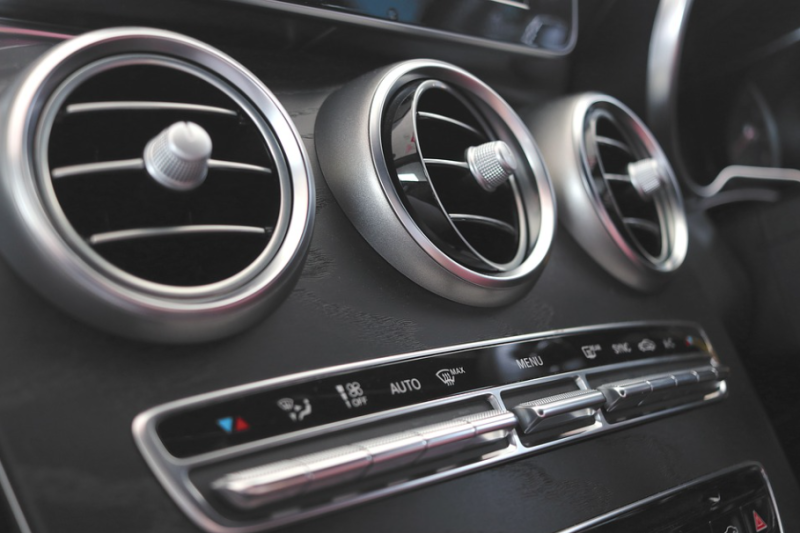
When the temperature outside begins to rise, most of us head straight for the car AC button. But what do you do when you find your car AC not working? The best thing to do is to simply visit your local VW dealer for expert help. The dealer can help determine the cause of the problem and recommend a course of action. Here are some of the things you can expect when you take your VW in for a diagnosis.
Car AC Not Working? Visit Your Fayetteville VW Dealer
They’ll Check If the AC Compressor Is Turning On
The air conditioning system in a car has several key components, one of which is the compressor. The compressor’s job is to pressurize the refrigerant and circulate it throughout the system. If the compressor is not working properly, the AC will not be able to do its job. That’s why, when you take your car to a mechanic with AC problems, one of the first things they will do is check to see if the compressor is turning on.
If the compressor is not running at all, it will most likely need to be replaced. However, if it is running but not working properly, there are a few other potential issues that could be causing the problem.
They’ll Check If the AC Is Low on Coolant
A car’s AC system uses a chemical coolant known as Freon to remove heat from the cabin, keeping passengers comfortable on even the hottest days. If the AC system is low on coolant, it will not be able to properly remove heat from the air, resulting in a warmer cabin. The mechanic will check the coolant level and, if necessary, add more coolant to the system.
They’ll Check If There’s a Leak in the AC System
Another thing that your mechanic will check for if your AC is not working is a leak in the system. The most common causes of leaks are faulty hoses, broken seals, or damaged gaskets. These can cause the Freon to escape from the system, making it unable to produce cold air.
They’ll Check If the AC Condenser Is Clogged
The condenser is located in front of the car’s radiator and works by cooling the refrigerant that is being pumped through the AC system. If the condenser is clogged, it can cause the refrigerant to overheat and cause the AC system to fail. There are a few reasons why the condenser may become clogged, such as debris blocking the airflow, or a build-up of ice on the condenser coils.
If your Volkswagen’s AC isn’t working, don’t wait. Bring it in to our dealership at Crain Volkswagen of Fayetteville for service and maintenance. We have a team of experts who can get your AC system working again.
Image via Pixabay.com by ninofficialphotopraphy
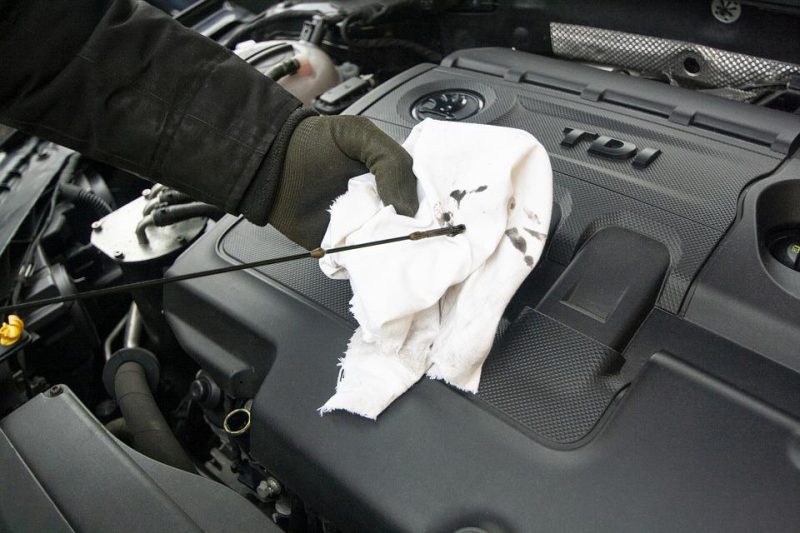
Keeping your VW in great running shape is a top priority for most drivers. Thankfully, there are some simple, but essential, things that you can do to help keep your car happy and healthy for many years to come! We’ve assembled this quick list of our top 5 car maintenance tips for drivers looking to stay ahead of the curve and keep their VW running smoothly.
Advice From a VW Dealer: 5 Car Maintenance Tips To Keep Your VW in Great Shape for Years
1. Check and Change Your Fluids
There are a number of vital fluids that keep your vehicle’s internal systems working regularly and safely, including brake, transmission, and power steering fluid. It’s important to get these checked regularly (about every 5,000 miles or so) to ensure they’re fresh and working as necessary. Getting these checked at your local dealership means they can also replace them for you if the mechanic notices it’s time for new fluids in your VW!
2. Change the Oil Regularly
You’ve probably heard it said that engine oil is the lifeblood of your vehicle, and it’s true! Regularly checking your oil and keeping up to date with your scheduled oil changes is an essential step in keeping your car in great working condition for the years to come. Your VW dealer will be able to let you know how frequently you should be changing your oil to ensure your engine keeps running smoothly.
3. Replace Your Engine Air Filter
Your vehicle’s engine air filter is an essential component that keeps dirt, debris, and other unwanted materials out of your vehicle’s engine, so it’s important to make sure it’s clean and functioning well. If your engine air filter wears out and stops working as intended, it can allow particles and debris into your engine that can cause serious damage to your vehicle’s internal systems. Stay ahead of that problem and replace your engine air filter when it starts to wear out!
4. Keep Your Car Clean
Your car keeps you dry and clean in all kinds of weather and road conditions, and it’s important that you do the same for it, too! While a little dirt on your car isn’t inherently a big deal, a build-up of dirt and grime can start to wear out parts of your vehicle’s body and undercarriage over time. Depending on the climate you drive in, winter road salt may also be a damaging element building up on your car. A quick, regular cleaning will help limit this and keep your car in great shape.
5. Get an Annual Inspection
In general, probably the best thing you can do for your VW’s long-term health is get it looked at by professionals on a regular basis! Most people recommend an annual inspection to ensure your vehicle is safe and that there are no components that are wearing out and creating a risk of more serious damage to other parts of the car.
Whether it’s an oil change, an inspection, or anything else your VW needs, we’ve got you covered! Come on down and visit us at Crain Volkswagen of Fayetteville today for the maintenance your vehicle needs to keep it running safely and smoothly for years.

Your VW engine is designed to work effectively and efficiently, but even the best engineering can develop problems over time. Parts can wear or break, and if they do, your VW will develop engine problems. If you’re in the area of Fayetteville, AR, your VW dealer can help you. We have the technicians and technology to fix any problem with your engine. These are a few of the problems we can fix.
3 Engine Problems You Should Always Get Fixed at Your VW Dealer
Damaged Sensors
Since the 1980s, sensors have been attached to all cars. These sensors connect to your car’s computer and continually send information from their attached component to the computer. Your VW’s computer uses this information to make its decisions. This can become a problem if a sensor is damaged. Damaged sensors will either send no information or send incorrect information to your computer.
The oxygen sensor, for example, has a crucial function. It measures the amount of unburnt oxygen in exhaust gases. The correct ratio of air to fuel is 14:1, and your computer uses the information from the oxygen sensor to adjust the air-fuel mix. If this sensor malfunctions, you may use more fuel, or your engine performance will drop.
Timing Chain Problems
Older engines used a timing belt, but your modern VW engine uses a timing chain. The timing chain synchronizes the movement of the camshaft and the crankshaft. By synchronizing the movement of these two components, the valves and pistons will operate just as they are designed to. Timing chains are very robust, but over time you’ll see and hear signs that your chain is failing.
In time, the chain will stretch slightly, which will cause issues like poor compression and backfiring. If you experience either of these signs, our technicians will check the chain for you. If it’s worn or damaged, we can replace it for you.
Damaged Alternator
The alternator is a mini generator that produces all of your VW’s electrical power. The alternator produces power, from the time your engine starts till you shut down your engine. Alternators have a long lifespan, and eight years is an average life for an alternate. As an alternator gets older, it will start to produce less power. As electrical power production drops, your car’s electrical systems will start to suffer.
Reduced power means your VW’s computer will have to decide how to apportion the limited power available. You’ll notice electrical glitches, dim headlights, and other signs of reduced power. We can check your alternator, and replace it if it’s wearing out.
If you experience problems with your engine, call us ASAP at Crain Volkswagen of Fayetteville. Our Volkswagen-trained technicians can fix any problem for you.

If you suspect the engine in your Volkswagen Golf, Jetta, Taos, or Passat is not running at its best and you can’t figure out what’s causing the problem, an engine diagnostic test from the qualified technicians at your VW dealer will give you all the answers. The test will pinpoint issues accurately, and the technician will perform expert repairs.
7 Signs Your Volkswagen Should Get an Engine Diagnostic at Your VW Dealer
1. The Check Engine Light Is On
We know you’ve heard all about the check engine light before, but it’s crucial never to ignore it when you notice the light is on. The light warns you when there is a problem with the engine, and the faster you get it checked out, the less damage will be caused.
When the check engine light is on, bring your car to us. A qualified Volkswagen technician will perform a diagnostic test to accurately determine why the check engine light was triggered and perform the required repairs to prevent further damage.
2. Your Car Guzzles Gas
With today’s sky-high fuel prices, the last thing you need is for your car to guzzle gas. When you suddenly have to fill up more than usual, even if you don’t put more miles on the clock, there’s a problem that needs urgent attention. Many issues will cause your car to burn more gas and to find out what is causing it, bring your vehicle to us for a diagnostic test so that one of our skilled technicians can sort out your gas woes once and for all.
3. Your Car Is Slow and Lazy
A long list of vehicle problems will cause your car to feel slow and lazy when you step on the accelerator. It could be a faulty fuel pump, a clogged air filter, a bad air filter, a sensor problem, or a load of other issues. A diagnostic test will quickly determine the cause of your car’s loss of power.
4. Your Car Idles Roughly
When the engine is not purring and idles roughly, many problems could be the cause. It could be dirty fuel injectors, clogged air filters, exhaust system problems, faulty fuel pumps, and bad spark plugs. Get rid of the guesswork with a diagnostic test.
5. You Hear Strange Noises
When there is a problem with your car’s engine, you will hear all sorts of strange noises. Worn, damaged, and broken parts can make terrible sounds under the hood. We will quickly find out the cause with a diagnostic test and fix the issue to avoid further damage.
6. You Smell Bad Odors
Fumes inside your car are dangerous and unhealthy. When you get a whiff of something terrible, such as gas or exhaust fumes, especially inside the cabin, it’s a warning that there is a problem. Bring your car to us ASAP for a diagnostic test.
7. You See Smoke From Under the Hood or Tailpipe
Something is getting too hot when you see smoke pouring out from under the hood or the tailpipe. Smoke is always a reason for concern and must be checked out as soon as possible. Bring your Volkswagen to us for a diagnostic test, and we will quickly find the problem.
When it comes to car troubles, make your life easy by getting rid of the guesswork with a diagnostic test. Drop by Crain Volkswagen of Fayetteville today for a diagnostic test performed by highly skilled Volkswagen technicians, and we will take care of your engine problems fast.

Exploring Arkansas in all of its breathtaking beauty is quite remarkable. Trails, parks, and road views alike can shine a light on some of that natural beauty The Natural State has to offer. Unique state landmarks are scattered among the brush and terrain of the incredible Arkansas Ozarks. Finding great views can be difficult for beginners or those that stick to certain areas. Here are a few of the best views in Fayetteville Ar.
Take the VW and Discover These 3 Best Views Near Fayetteville, AR
1: Pig Trail National Scenic Highway
If a calming, scenic drive or hike is what you’re looking for, this is it. This almost 25-mile trail is nestled in the Boston Mountains portion of the Ozarks. With trees as far as you can see, you’re sure to enjoy the comforting drive amongst the national treasure. From the wildflowers of spring to the orange leaves of autumn, you’re sure to experience the beauty of the Pig Trail National Scenic Highway regardless of the time of year.
Various points overlook the beauty rural Arkansas offers. Park your car and enjoy a stroll through the brush to an effortlessly flowing waterfall. Overlook the miles and miles of wilderness, from colossal trees to beautiful rock structures. You won’t regret taking this drive.
2: The Old Mill
T. R. Pugh Memorial Park is home to the recreation of a 19th-century water-powered mill located near North Little Rock. This mill, a national historic place, is an iconic landmark having been in scenes of Gone With the Wind. Constructed in 1933, this beautifully kept historical site has the character of a 19th-century landmark.
Statues of logs, toadstools, and even a miraculous bridge of steel made to look like entwined branches decorate this already beautiful park. While the mill itself sits on the water, other beautiful structures are also located in this park such as a small lake, a beautiful bridge, and even a waterfall. Street parking is available for those interested in exploring one of the available trails, having a picnic, or even just relaxing for a while.
3: Hot Springs Mountain Tower
Wanting to have a beautiful view of the city of Hot Springs? With a 140-mile view of many surrounding national landmarks such as the Ouachita Mountains and Hot Springs National Park, you’re sure to spot many natural beauties Arkansas has to offer. The tower itself staggers over 215 feet and is made purely of lattice metal.
Getting to the third tower built on the mountain is sure to be a workout, though manageable for all levels of experience through various trails.
The views and history this location offers are very unique, varying from any place you may have visited in the past. Be sure to visit the visitors center in town and mention the mountain.
From historic mills to beautiful scenic trails, you now know 3 beautiful places to visit in your town. Navigating the beautiful, open roads of Arkansas has never been easier or more fun than in an all-new 2022 Volkswagen Atlas Cross Sport SE. After exploring nature be sure to visit us at Crain Volkswagen of Fayetteville for the best specials, financing, and new or preowned vehicles in town.
Image via Pixabay.com by rehood
3 Signs Your VW Needs Transmission Service
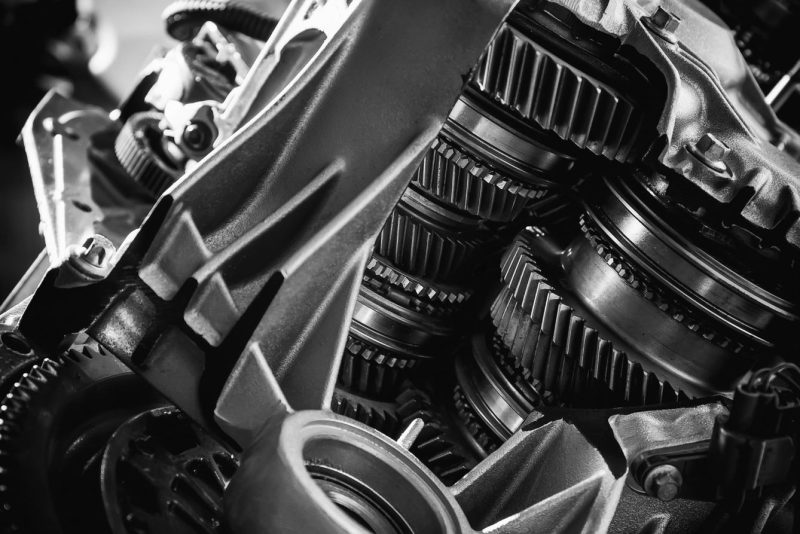
Your VW transmission is composed of hundreds of moving parts, many of which depend on friction to work effectively. Add to this a high temperature caused by the constant motion of these parts, and this explains why your transmission needs regular maintenance to keep it working perfectly. As your VW dealer, we’d like you to know some of the signs that you need to come in for a transmission service.
3 Signs You Need a Transmission Service at Your VW Dealer
Noises in Neutral
When your transmission is operating correctly, your gears will shift smoothly and silently. If you suspect that you have a transmission problem, you can test this by shifting your transmission into neutral and listening. When your engine is running but your transmission is in neutral, there should be no sounds as your car isn’t in gear.
If you hear sounds, the most likely cause is a problem with the torque converter. The torque converter is the section of the transmission that connects to your engine. It uses fluid to transfer the power of your engine to the gears in the transmission that will allow your car to move. Our technicians will check the converter, and fix the problem.
Burning Smells
No one likes the smell of burning, particularly if it’s coming from your car. If the smell is similar to burning rubber, there’s likely a problem with your transmission fluid. Transmission fluid serves several purposes, to control the heat in the transmission, to prevent friction between the various moving parts, and to provide hydraulic power to move the gears.
Transmission fluid is changed according to a fixed schedule outlined in your car manual. The reason for changing the fluid is that older fluid becomes less able to fulfill the demands on it. It also loses its heat-resistant properties. Old transmission fluid can overheat in the transmission and start to burn. Burning transmission fluid smells like burning rubber, and it’s a sign that our technicians need to check your transmission.
Transmission Fluid Leak
Transmission fluid is essential for your transmission to operate. Without it, the gears won’t have the power to shift on-demand, and the various components will suffer friction damage. Your transmission will also rapidly overheat without it. These factors make it essential to repair a transmission leak right away. Transmission fluid is normally bright or dark red, which helps to make a leak easier to spot.
If you suspect that you have a fluid leak, you can test for this by placing a large piece of clean cardboard underneath your car overnight. You can further test this by starting the engine but leaving the transmission in park. Finally, keep your foot on the brake and shift into drive. If there is any fluid on the cardboard after any of these tests, note when the leak started and call our service department right away.
If you have any transmission problems, our highly-trained technicians can repair them for you. Call our service department at Crain Volkswagen of Fayetteville.
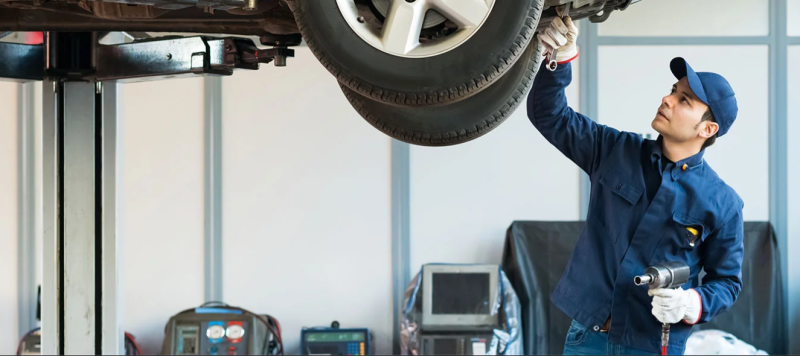
Collisions are frightening as well as frustrating regardless of size, the last thing you want to deal with is a damaged car. Your Volkswagen dealer understands that and wants to ensure convenience and satisfaction, here’s the best way to get a quality collision repair for your VW.
How to Get a Quality Collision Repair for Your VW
Schedule a Repair With your Volkswagen Dealer
After your collision you may receive a call inquiring about repairs, this means your insurance has passed along your information to a collision center for your vehicle to be repaired. If you do not get a call, don’t worry. You can easily get free estimates or schedule repairs and towing, if needed, on our website or over the phone at your convenience.
Inspection
Once the day of your repair comes our dedicated team will assess the damages with a full walk around. Whether serious collision damage or minor abrasions our certified technicians have not only the tools but the training and experience to reconstruct your damaged vehicle to its pre-collision state!
After completion of the inspection, we check your car in for further processing and repairs. Rental cars are available for any customer that needs an alternate vehicle to drive until the completion of repairs. Disassembly This stage is when the degree of damage is truly assessed and necessary repairs are determined. A blueprint of repairs will be created to get your car finished as soon as possible.
Customer Notification
This is when you get a notification of the extent of damages, the timeframe of the repairs, and any questions you may have can be answered by our friendly, qualified technicians. Throughout your repair, you will notice the technicians are dedicated to providing the most time-efficient, customer satisfactory process possible.
Repair
During this process, repairs laid out in the blueprint will be executed. Technicians will use tools such as electromagnetic measuring systems that restore your car to its factory specifications and ensure that it is structurally sound. These structure repairs happen at the same time as any mechanical repairs.
Reassembly
Nearing the end of the repair process the inspection of all car systems is carried out, and all details and final touches are added to your vehicle. Everything that was removed from your vehicle will be reinstalled.
Final Inspection
All surfaces are cleaned and the body of the vehicle will be polished. The interior of the car will be intricately cleaned and the car will be thoroughly inspected. Finally, your vehicle will be test-driven to ensure that the driving quality of your car is not negatively affected by repairs.
Delivery
Once your car passes inspection, the repair process commences. A delivery person will drop your vehicle off in a place that conveniences you or you can come and pick it up.
Your time is valuable, and our repair process ensures that it’s well preserved during such a stressful time. To be truly satisfied be sure to contact us at Crain Volkswagen of Fayetteville for all of your service needs, or to purchase a new or preowned vehicle!
4 Great Places to Drive to Near Fayetteville, AR

Fayetteville, AR, is a beautiful city nestled in the heart of the Ozark Mountains, surrounded by outdoor allure, scenic routes, and a plethora of possible options for your next outdoor adventure. Check out our list of great places to visit near the city.
4 Great Places to Drive to Near Fayetteville, AR
Blue Spring Heritage Center
Blue Spring Heritage Center is located in Eureka Springs, Arkansas, about an hour from Fayetteville. The Blue Heritage Center is a significant historical and cultural center because it conveys the rich heritage of the Ozark region, from American Indian excursions to the lives of early settlers and prehistoric civilization.
Visit the bluff shelter, the old mill site, and the blue spring, which pours 38 million gallons of clear cold water every day into its trout-filled lagoon. The heritage center provides an opportunity to connect with nature in a tranquil setting surrounded by many native gardens.
Eureka Springs
Eureka Springs, located a few miles from Fayetteville, is a charming small town on the National Register of Historic Places, ideal for an exciting day trip. The town has a unique atmosphere, a fascinating history, and an excellent dining scene. While in town, you can spend the afternoon paddle boating on Lake Leatherwood at Lake Leatherwood City Park.
You can also rent fishing equipment and teach your children how to fish at the park. You can also visit the spooky but beautiful Crescent Hotel to see if it is truly haunted. Alternatively, you can visit the beautiful Thorncrown Chapel and the well-known Christ of the Ozarks statue, erected in 1966.
Siloam Spring
If you want to take your family on a fun and scenic weekend road trip, a drive to Siloam Springs is ideal. Start your journey by heading west on Wedington Drive. This drive will take you through the Ozark National Forest, which President Theodore Roosevelt established in 1908.
Your family can camp along the lakeshore at the Lake Wedington recreation area, 13 miles from Fayetteville. Therefore, load all of your camping gear into your spacious pearl white 2022 Volkswagen Atlas ahead of time. When you arrive in Siloam Spring, we recommend shopping on Main Street, where you’ll find unique antiques, houseware stores, and boutiques.
Hobbs State Park Conversation Area
Hobbs State Park-Conservation Area, located in Rogers, Arkansas, a few miles from Fayetteville, is the largest state park in Arkansas, spanning numerous acres of beautiful Ozark landscape along Beaver Lake. The state park’s main attraction is its 54-mile multipurpose trail system.
On the trail, which is also ADA accessible, you can go hiking, cycling, and horse riding. It’s also a popular camping spot, with over ten campsites, six of which can be reached by bike. Furthermore, Hobbs State Park Conversation Area is Arkansas’s only state park that allows regulated hunting. Throughout the year, they also provide interpretive programs and workshops.
As shown above, there are numerous unique places to visit near Fayetteville, Arkansas. As you plan your trip, ensure you have the right vehicle to meet the needs of your entire family. Visit Crain Volkswagen of Fayetteville today to purchase a new or used car.
Image via Pixabay.com by jplenio
4 Best Fuel-Efficient Volkswagen Vehicles
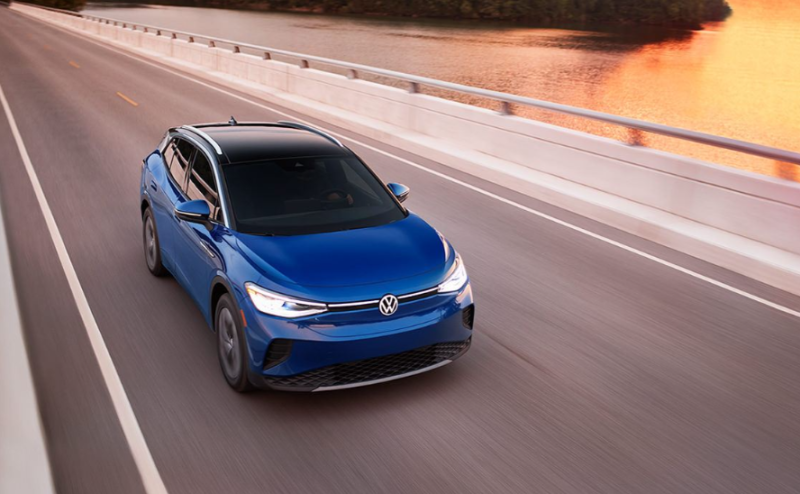
If you put a lot of miles on for your daily commute, you may want to look at finding a fuel-efficient Volkswagen to save some cash. Even if you don’t drive a lot, you may still enjoy saving money by purchasing a Volkswagen with better fuel economy. Whatever your reason, here are the four best fuel-efficient Volkswagen vehicles.
- Volkswagen ID.4
For those who want to increase their gas mileage significantly, an all-electric vehicle such as the 2021 Volkswagen ID.4 is an excellent choice. In the ID.4, you can expect to get 104 MPGe in the city and 89 MPGe on the highway in both the 1st Edition and Pro S, while those numbers hit 107 and 91 in the Pro. In addition to amazing fuel economy, the ID.4 comes with keyless entry, power-adjustable front seats, heated front seats, and a leather-wrapped heated steering wheel.
You’ll enjoy the 10-inch touch screen that features Apple CarPlay and Android Auto with voice controls, a Wi-Fi hot spot, and wireless smartphone charging. As you move up past the Pro trim, available features include a panoramic sunroof, a hands-free power tailgate, simulated leather upholstery, and a 12-inch touch screen with gesture control.
- Volkswagen Golf
The 2021 Volkswagen Golf is available in a single trim. The TSI has a turbocharged 1.4-liter four-cylinder engine that produces 147 horsepower. This engine is paired with either a six-speed manual or eight-speed automatic transmission. You get 29 mpg in the city and 39 on the highway with the manual transmission, while the automatic gets you 29 city and 36 highway. Features include a panoramic sunroof, keyless entry with push-button start, simulated leather seats, heated front seats, and a 6.5-inch touch screen with Apple CarPlay and Android Auto.
- Volkswagen Golf GTI
You can get the 2021 Volkswagen Golf GTI in three trims: S, SE, and Autobahn. Each comes with a turbocharged 2.0-liter four-cylinder engine for 228 horsepower. A six-speed manual transmission is standard, but a seven-speed automatic is available. On the GTI, the automatic is the more fuel-efficient, offering 24 mpg in the city and 32 mpg on the highway, while the manual gets 23 and 30. Standard features include heated front seats and a 6.5-inch touch screen with Apple CarPlay and Android Auto. Moving up through the trims adds a panoramic sunroof, leather seating, and an 8-inch touch screen.
- Volkswagen Jetta
Another fuel-efficient vehicle from Volkswagen is the 2021 Jetta, powered by a turbocharged 1.4-liter four-cylinder engine that produces 147 horsepower. The S and R-Line trims have a standard six-speed manual transmission, while the others have an eight-speed automatic. Trim levels are S, SE, R-Line, SEL, and SEL Premium. Gas mileage on the manual is 30 mpg in the city and 41 mpg on the highway. Compare that to 29 mpg in the city and 39 mpg on the highway with the automatic transmission.
Features include a rearview camera, power-adjustable side mirror, two USB ports, Bluetooth connectivity, and a 6.5-inch touch screen with Apple CarPlay and Android Auto. Other trims offer upgraded features.
When you’re ready to check out one of these fuel-efficient Volkswagen vehicles, stop at Crain Volkswagen of Fayetteville, where they’d be happy to get you set up for a test drive.
Connect with us


Recent Blog Entries
- 2026 Volkswagen ID.4 vs Hyundai IONIQ 5 in Fayetteville, AR
- Crain Buys Cars: A Simpler Way to Sell Your Vehicle in Fayetteville
- 2026 Volkswagen Taos vs Kia Seltos in Fayetteville, AR
- 2026 Volkswagen Tiguan vs 2026 Hyundai Tucson in Fayetteville, AR
- 2026 Volkswagen Taos vs 2026 Subaru Crosstrek in Fayetteville, AR