

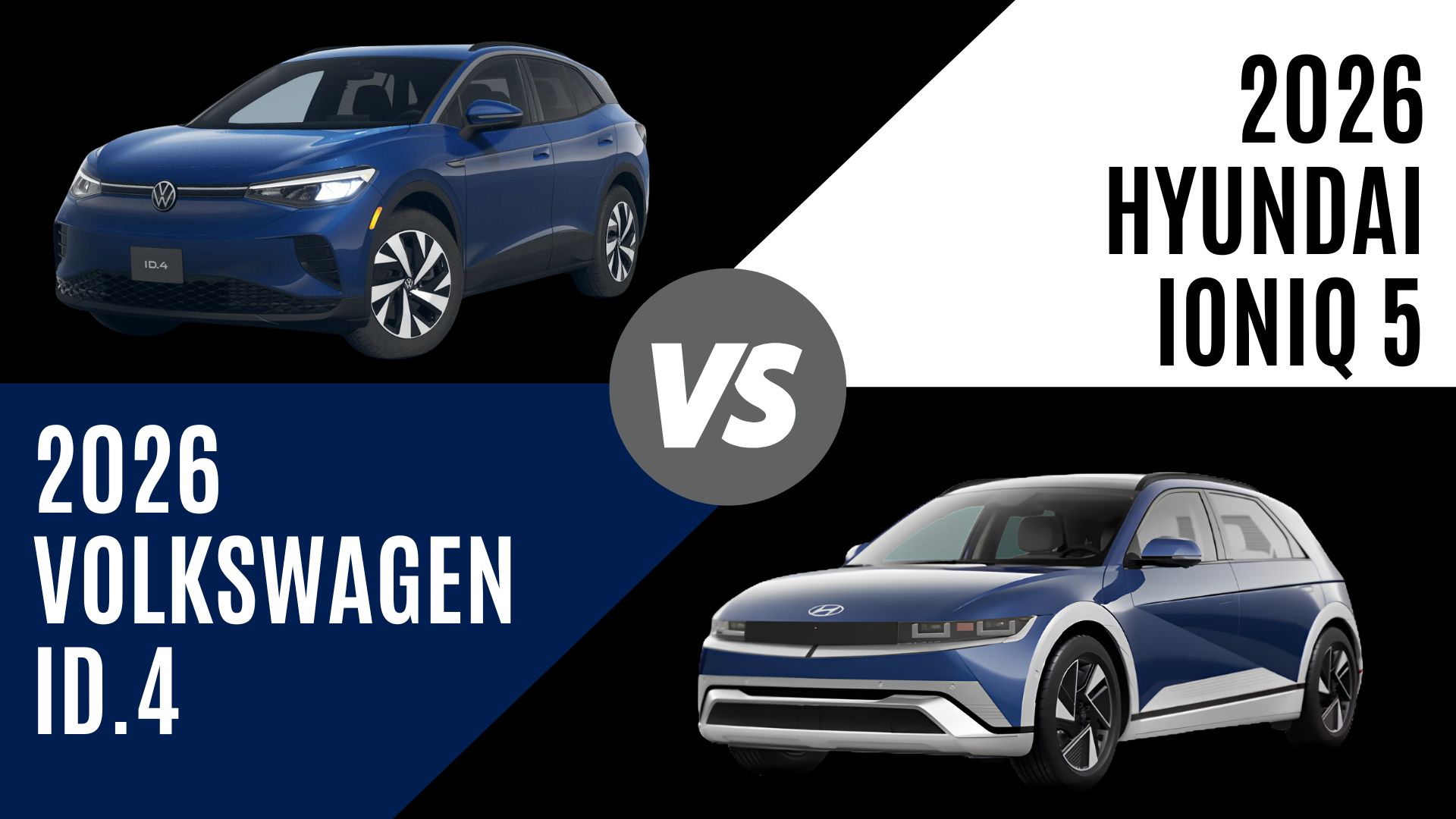
Entry-Level Electric SUVs Worth Considering
Going electric doesn’t mean starting at the top of the price range, and the 2026 Volkswagen ID.4 and 2026 Hyundai IONIQ 5 both prove it. Both compact electric SUVs bring genuine range, modern technology, and everyday practicality to Fayetteville drivers at their entry-level trims, well below what pricier EV competitors often charge.
This comparison anchors around each vehicle’s entry-level configuration, the ID.4 Pro and the IONIQ 5 SE Standard Range, since that’s where most shoppers start when comparing these two lineups.
Vehicle Comparison
2026 Volkswagen ID.4
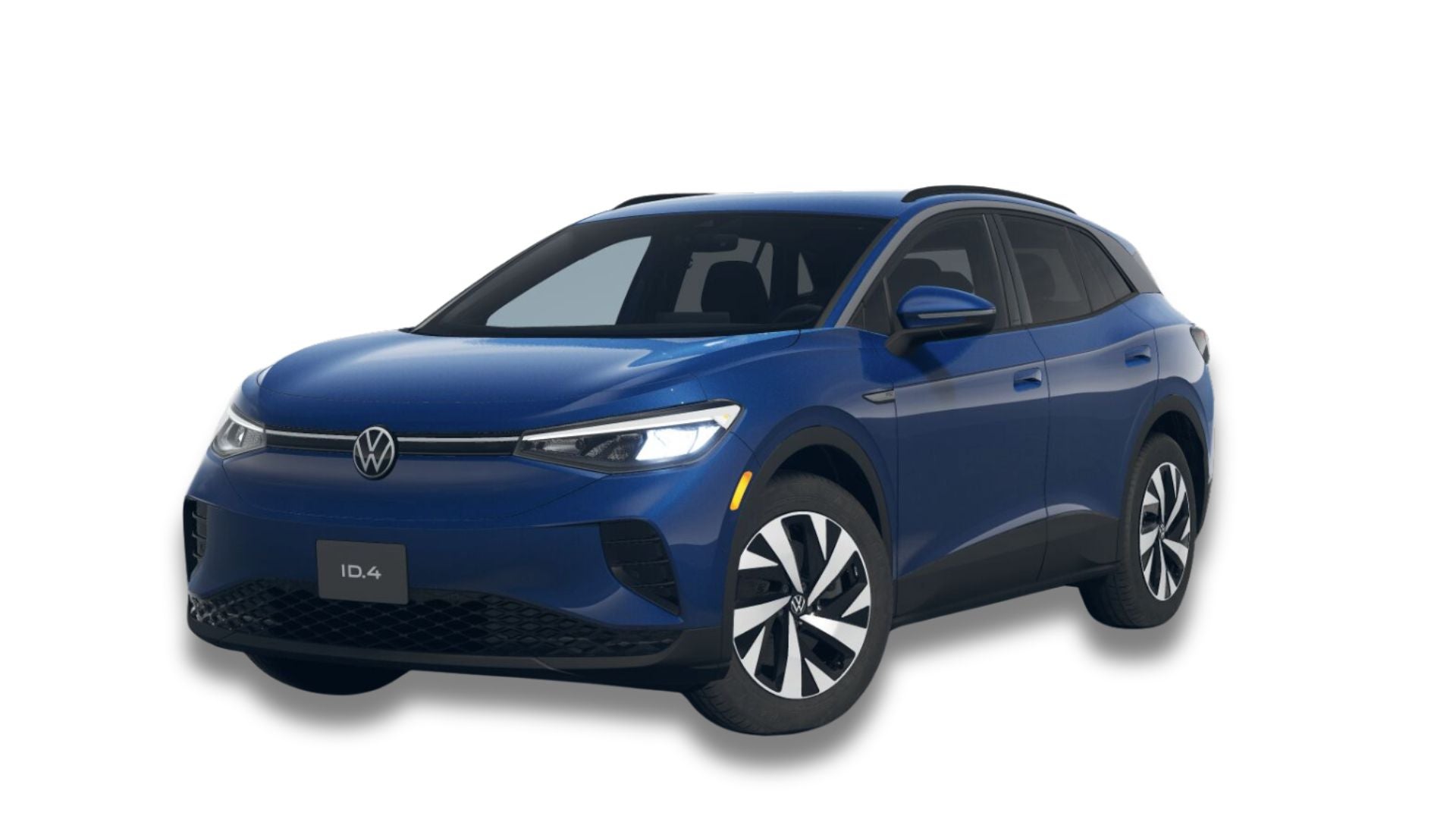
- 12.9″ Touchscreen with Backlit Sliders
- Predictive Adaptive Cruise Control
- Standard Navigation
2026 Hyundai Ioniq 5
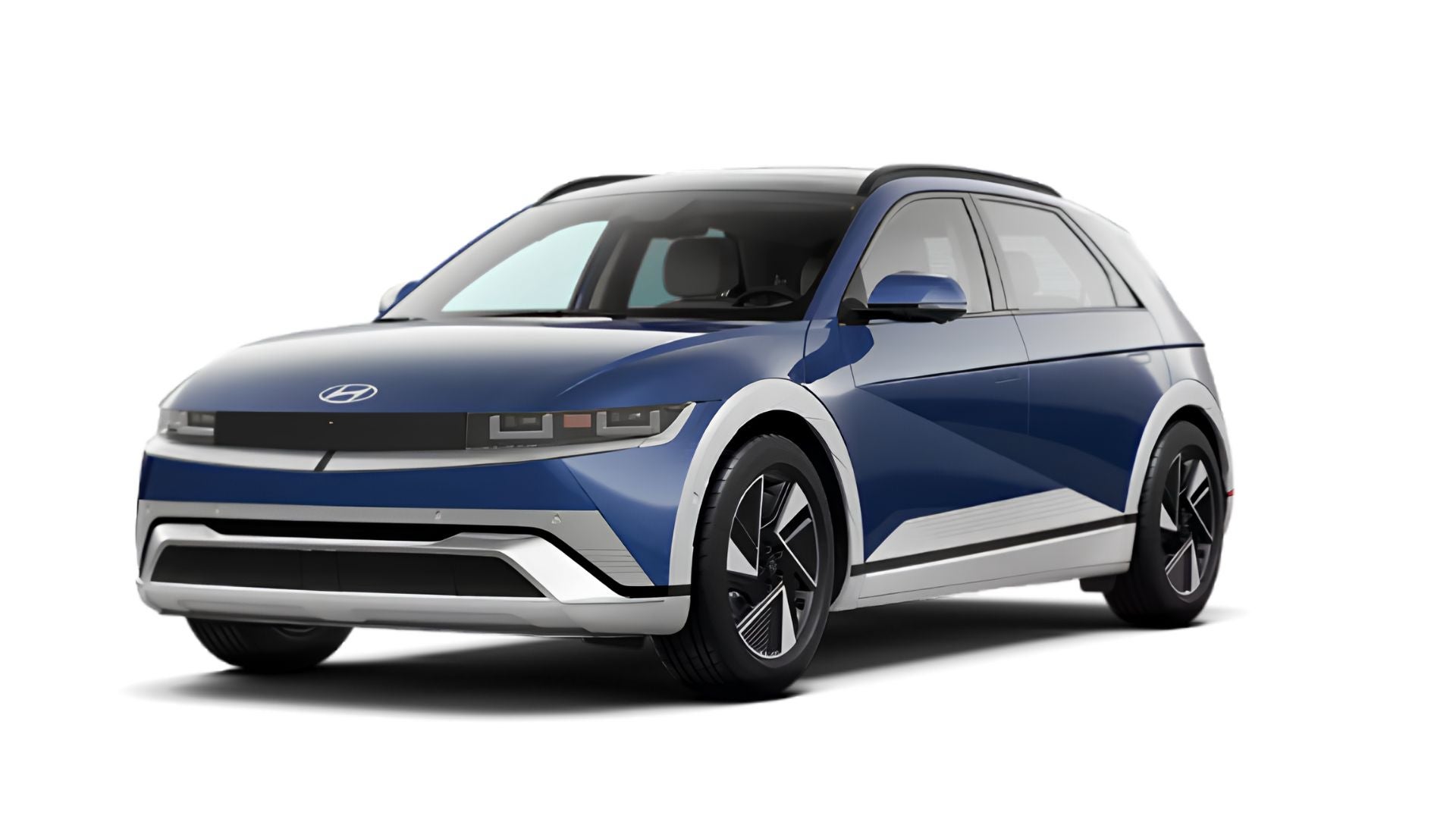
- 12.3″ Touchscreen with Navigation
- 12.3″ Digital Instrument Cluster
- Ultra-Fast Charging Capability
Two Different Design Philosophies
Proportions borrowed from the gas-powered Tiguan give the ID.4 a familiar, approachable shape, spacious without looking unusual in a parking lot full of traditional SUVs. It’s part of why the ID.4 has earned recognition as an award-winning EV that balances practicality with genuine capability.
The IONIQ 5 takes the opposite approach, wearing its electric identity proudly with a distinctly futuristic silhouette and pixel-inspired lighting details that immediately stand out. Buyers who want their EV to look like an EV tend to gravitate toward this option.
First Look:
- ID.4: Familiar, Tiguan-inspired proportions built around comfort
- IONIQ 5: Distinctly futuristic styling with pixel-inspired lighting
- Both: Genuinely spacious cabins for the compact SUV class
Power and Range Across the Lineup
Entry-level pricing doesn’t mean entry-level power on the ID.4 side. The Pro trim’s single rear motor makes 282 horsepower and reaches an EPA-estimated 291 miles of range, a strong starting point for the segment. Stepping up to AWD dual-motor trims bumps output to 335 horsepower, though range settles to 263 miles.
The IONIQ 5 SE Standard Range starts more modestly, with a 168-hp single motor paired with a smaller battery for 245 miles of range. Moving up to the SE, SEL, or Limited trims with the larger battery unlocks 225 hp and up to 318 miles in RWD form, or 320 hp with AWD.
Under the Hood:
- ID.4: 282-hp entry trim, 291-mile range; up to 335 hp with AWD
- IONIQ 5: 168-hp entry trim, 245-mile range; up to 320 hp with AWD and larger battery
- Both: Meaningful range and power gains available by moving up the lineup
Charging and Everyday Range
Both SUVs use a similarly sized battery pack at their core, a 77.0-kWh unit in the ID.4 and a 63.0-kWh (standard) or 84.0-kWh (long-range) pack in the IONIQ 5, and both support DC fast-charging for road trips or quick top-offs.
The IONIQ 5’s larger battery can recover 10 to 80 percent charge in around 20 minutes on a DC fast-charger, and Hyundai claims 68 miles of range in about 5 minutes, a figure Car and Driver confirmed in testing. The ID.4 offers its own fast-charging capability through Electrify America’s Plug&Charge technology, which lets the car authenticate and start charging automatically without tapping an app or card. Real-world highway range testing landed at 240 miles for the AWD Pro S.
Charging Notes:
- ID.4: 77.0-kWh battery, DC fast-charging capable
- IONIQ 5: 63.0 or 84.0-kWh battery options, roughly 20-minute fast charge to 80%
- Both: Home charging compatible on standard 110V/240V connections
Interior Comfort and Cargo
Uncluttered and functional describes the ID.4’s cabin well, with standard heated cloth seats and a 60/40 fold-flat second row for added cargo flexibility. Moving up to the Pro S adds 12-way power-adjustable front seats with memory and faux-leather upholstery.
The IONIQ 5 counters with a genuinely spacious interior of its own, helped by a flat floor and a wheelbase longer than the three-row Palisade’s. Cargo space runs 30 cubic feet behind the rear seats and 59 cubic feet with them folded, and sustainable materials appear throughout the cabin.
Cabin Notes:
- ID.4: Standard heated cloth seats, fold-flat second row
- IONIQ 5: 30–59 cubic feet of cargo space, sustainable interior materials
- Both: Genuinely roomy cabins for the class
Technology That Keeps Drivers Connected
A 12.9-inch touchscreen anchors the ID.4’s dashboard, paired with a 5.3-inch digital gauge display, standard navigation, and wireless Apple CarPlay and Android Auto across the lineup.
The IONIQ 5 pairs a 12.3-inch touchscreen with a matching 12.3-inch digital gauge cluster, plus wireless Apple CarPlay and Android Auto standard on every trim except the base SE. Wireless device charging comes standard on the SEL and higher.
Tech Rundown:
- ID.4: 12.9-inch touchscreen, 5.3-inch digital gauge cluster, standard navigation
- IONIQ 5: 12.3-inch touchscreen, 12.3-inch digital gauge cluster
- Both: Wireless Apple CarPlay and Android Auto (most trims)
Safety Systems Built for Confidence
Standard automated emergency braking with pedestrian detection, lane-departure warning with lane-keeping assist, and adaptive cruise control come on every ID.4 trim, backed by a Top Safety Pick award from IIHS.
The IONIQ 5 matches that with standard adaptive cruise control, lane-keeping assist, and automated emergency braking with pedestrian detection across the lineup, while Highway Driving Assist 2 becomes available starting on the SEL trim for added highway confidence.
Safety Snapshot:
- ID.4: Standard adaptive cruise control and lane-keeping assist
- IONIQ 5: Standard driver-assistance suite, available Highway Driving Assist 2 (SEL and up)
- Both: IIHS-recognized safety performance
Towing and Practical Capability
Both SUVs offer surprisingly similar towing figures for the segment. The ID.4 is rated to tow up to 2,700 lbs, while the IONIQ 5 matches that number on its AWD XRT trim. Hyundai doesn’t recommend towing with rear-wheel-drive models and only endorses the AWD XRT when equipped with the factory hitch.
Capability Notes:
- ID.4: Up to 2,700 lbs towing across AWD trims
- IONIQ 5: Up to 2,700 lbs towing, limited to the AWD XRT trim with factory hitch
- Both: Meaningful towing capability for a compact electric SUV
Ownership Value Over Time
Volkswagen backs the ID.4 with a 4-year/50,000-mile limited and powertrain warranty, plus 8 years or 100,000 miles of battery coverage and 2 years or 20,000 miles of complimentary maintenance.
Hyundai’s coverage on the IONIQ 5 runs longer in a couple of key areas: a 4-year/60,000-mile limited warranty, 4-year/70,000-mile powertrain warranty, and a notably longer 3 years or 45,000 miles of complimentary maintenance.
Value Points:
- ID.4: 8-year/100,000-mile battery coverage, 2 years of complimentary maintenance
- IONIQ 5: 3 years of complimentary maintenance, slightly longer limited and powertrain coverage
- Both: Backed by established manufacturer support
Which Entry-Level EV SUV Fits Your Life in Fayetteville?
Both the ID.4 and IONIQ 5 make a genuinely strong case for going electric without moving up into pricier trims or premium competitors.
Drivers who want a more traditional SUV shape, stronger entry-level horsepower, and Volkswagen’s driving character may find the ID.4 lines up well with their priorities. Others drawn to a bolder design, faster charging on the larger battery, and slightly longer maintenance coverage may lean toward the IONIQ 5 instead.
Either way, drivers throughout Fayetteville, Springdale, Rogers, and Bentonville can explore both options at Crain Volkswagen of Fayetteville, a genuinely capable starting point into electric SUV ownership.
FAQs
Q: Which EV SUV has more range at its base trim, the ID.4 or IONIQ 5?
A: The ID.4 Pro offers an EPA-estimated 291 miles of range at its entry trim, notably more than the IONIQ 5 SE Standard Range’s 245 miles, though both extend further with upgraded battery options.
Q: Do both SUVs support fast charging?
A: Yes, both the ID.4 and IONIQ 5 support DC fast-charging, with the IONIQ 5’s larger battery capable of a 10-to-80-percent charge in around 20 minutes.
Q: Which SUV offers longer complimentary maintenance coverage?
A: The IONIQ 5 includes 3 years or 45,000 miles of complimentary maintenance, compared to 2 years or 20,000 miles on the ID.4.
Connect with us


Recent Blog Entries
- 2026 Volkswagen ID.4 vs Hyundai IONIQ 5 in Fayetteville, AR
- Crain Buys Cars: A Simpler Way to Sell Your Vehicle in Fayetteville
- 2026 Volkswagen Taos vs Kia Seltos in Fayetteville, AR
- 2026 Volkswagen Tiguan vs 2026 Hyundai Tucson in Fayetteville, AR
- 2026 Volkswagen Taos vs 2026 Subaru Crosstrek in Fayetteville, AR