
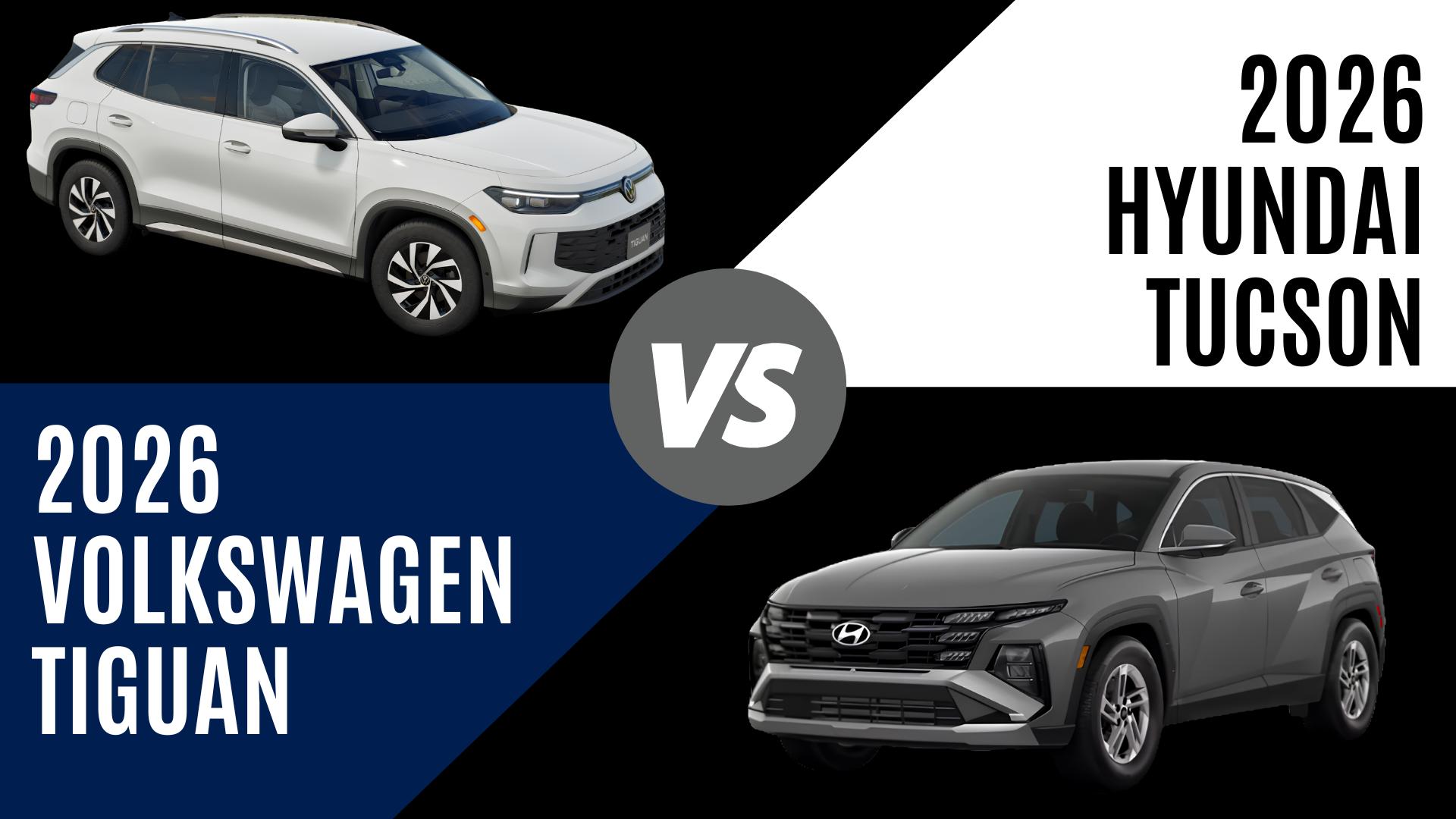
Two Compact SUVs with Different Strengths for Northwest Arkansas Drivers
Shopping for a compact SUV often means comparing vehicles that appear similar on paper but deliver very different ownership experiences. The 2026 Volkswagen Tiguan and 2026 Hyundai Tucson are both designed to handle daily commuting, family transportation, and weekend travel, yet they approach performance, technology, and comfort from unique perspectives.
For drivers comparing the 2026 Volkswagen Tiguan vs 2026 Hyundai Tucson in Fayetteville, AR, both models offer available all-wheel drive, advanced safety technology, spacious interiors, and strong fuel economy. This comparison focuses on the gas-powered versions of both SUVs. Hyundai also offers a Tucson Hybrid for shoppers seeking additional efficiency, but the specifications discussed here apply to the standard gasoline-powered models.
Drivers interested in learning more about Volkswagen’s latest compact SUV can explore the current Tiguan lineup before visiting the dealership.
Vehicle Comparison
2026 Volkswagen Tiguan
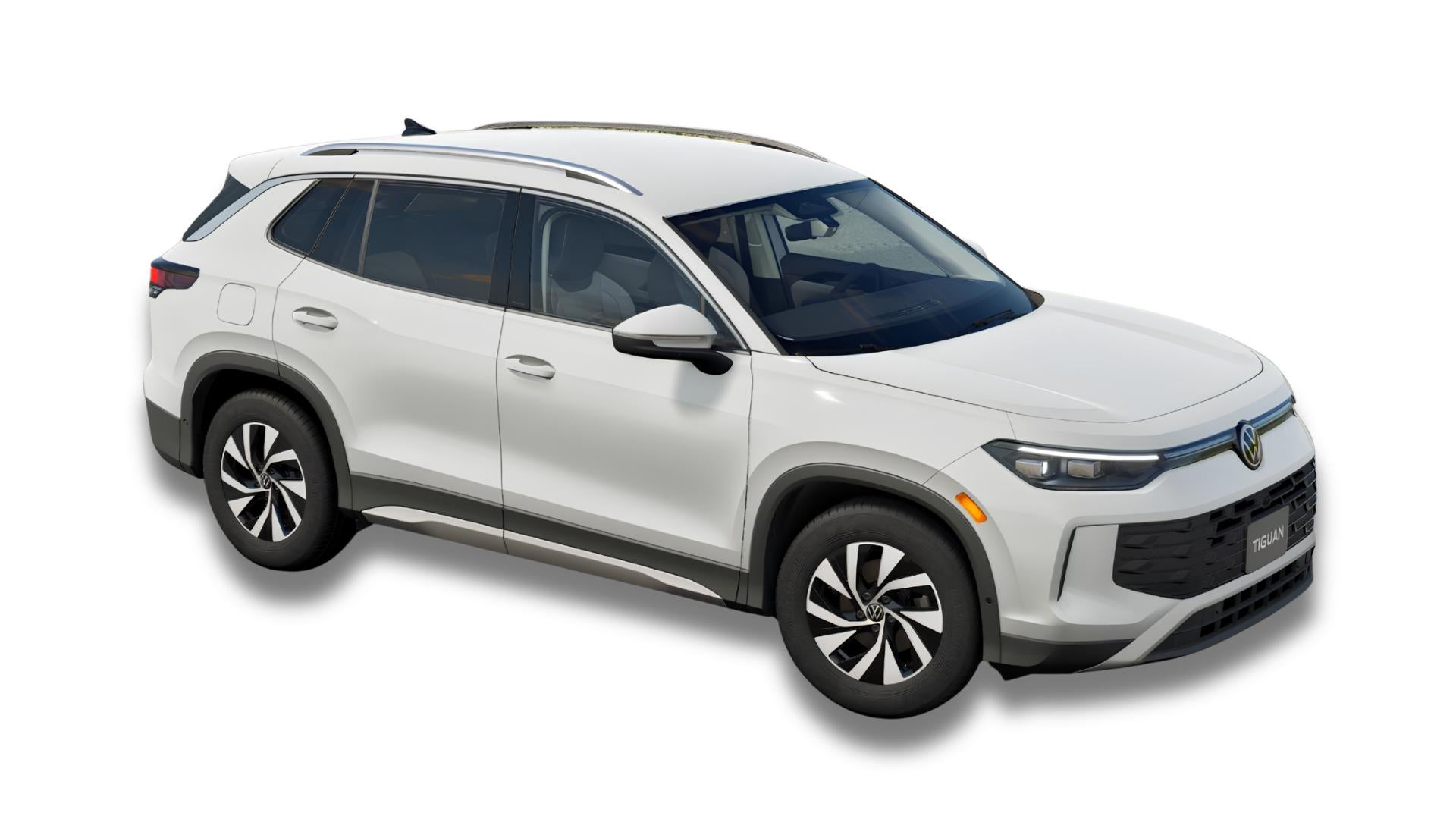
- Available 15.0″ Touchscreen
- Massaging & Ventilated Front Seats
- Head-Up Display
2026 Hyundai Tucson
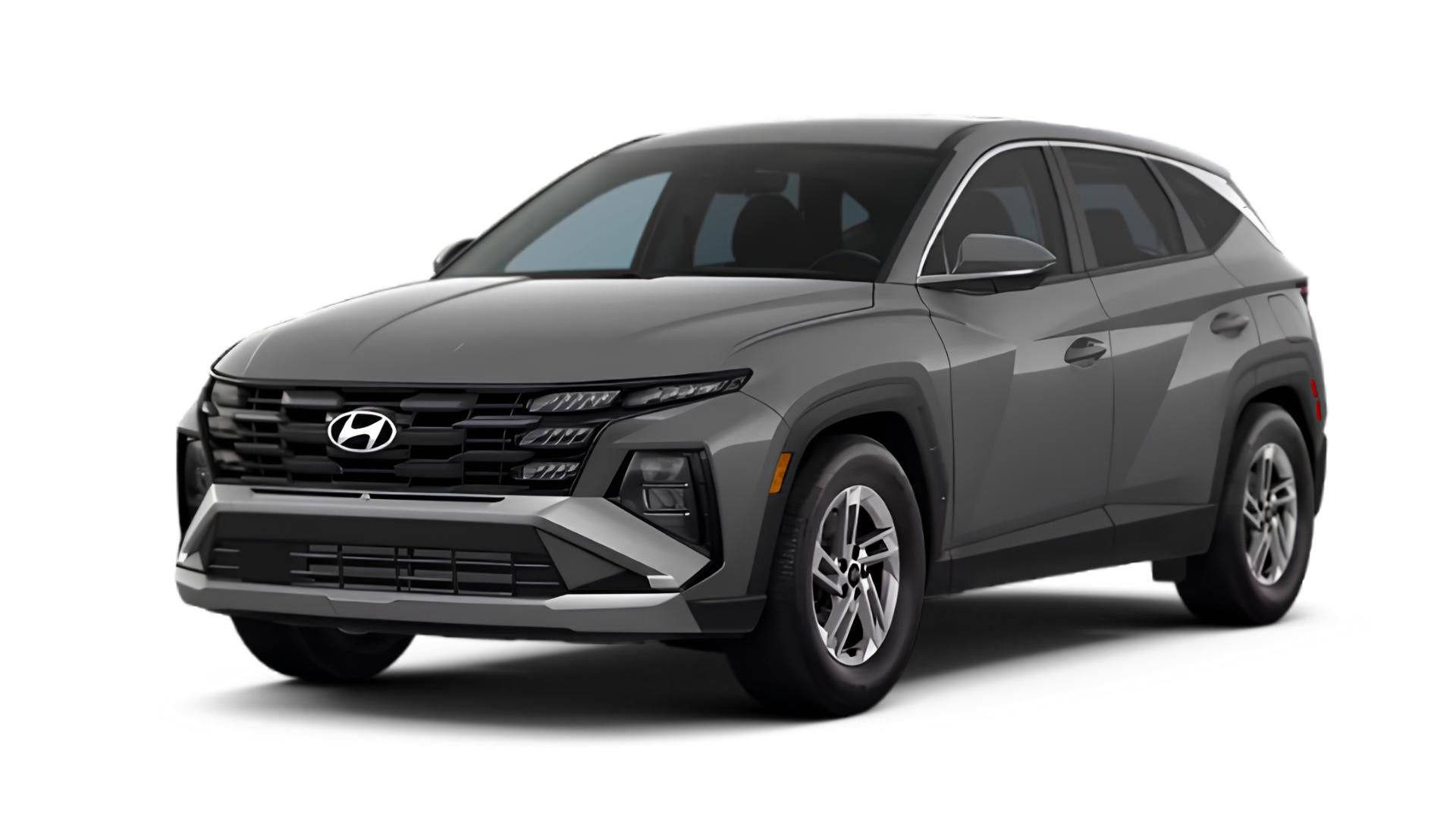
- Available Dual 12.3″ Displays
- Hyundai Digital Key
- Bose Premium Audio
European-Inspired Design Gives the Tiguan a Distinct Personality
Compact SUVs have become increasingly similar in appearance, making distinctive styling a valuable trait.
The 2026 Volkswagen Tiguan stands apart with a design that blends athletic proportions and upscale detailing. Volkswagen’s latest updates help give the Tiguan a more premium appearance while maintaining the clean, understated styling that has long defined the brand.
Inside, the Tiguan continues that theme with available leather upholstery, genuine wood accents, and a refined dashboard layout. The cabin feels thoughtfully designed, with attention paid to both aesthetics and functionality.
The Hyundai Tucson takes a more futuristic approach. Sharp body lines, a bold front fascia, and an available dual-screen dashboard create a modern atmosphere that appeals to technology-focused shoppers.
Design Highlights
- Tiguan: European-inspired styling and upscale interior materials
- Tucson: Bold exterior design and modern digital cockpit
- Both: Comfortable two-row SUVs with seating for five
Comparing Ride Quality and Everyday Performance
Performance differences begin to emerge once these SUVs leave the parking lot.
The Tiguan’s standard turbocharged engine produces 201 horsepower and pairs with an eight-speed automatic transmission. Volkswagen also reduced overall vehicle weight during its redesign, helping the SUV feel more responsive during acceleration and cornering. Drivers who enjoy a more engaging driving experience may appreciate the Tiguan’s steering feel and road manners.
For shoppers seeking even more performance, Volkswagen offers the new SEL R-Line Turbo trim with an impressive 268-horsepower version of the turbocharged engine.
The Tucson uses a naturally aspirated 187-horsepower four-cylinder engine paired with an eight-speed automatic transmission. While acceleration is more relaxed, Hyundai emphasizes ride comfort and refinement. The result is a quiet cabin and smooth highway cruising experience that many drivers will appreciate during longer trips.
Performance Takeaways
- Tiguan: 201-hp turbocharged engine and available 268-hp upgrade
- Tucson: Smooth ride and refined cruising manners
- Both: Available AWD and eight-speed automatic transmissions
Interior Comfort and Cargo Flexibility
Family-friendly versatility remains one of the biggest reasons shoppers choose compact SUVs.
The Tiguan benefits from increased cargo space and a redesigned interior that improves everyday usability. Volkswagen moved the gear selector to the steering column, creating additional center-console storage while helping the cabin feel more open.
Premium comfort features help separate the Tiguan from many competitors. Available massaging and ventilated front seats add a luxury touch that is uncommon in this segment, while a heated steering wheel and three-zone climate control further enhance comfort.
The Tucson counters with one of the roomiest cabins in its class. Rear-seat passengers enjoy generous accommodations, and the cargo area provides excellent practicality for groceries, sports equipment, luggage, and everyday errands.
Interior Comparison
- Tiguan: Available massaging seats and upscale interior appointments
- Tucson: Spacious rear seating and practical cargo area
- Both: Comfortable accommodations for families and commuters
Technology Showcases Two Different Approaches
Technology continues to play a major role in compact SUV purchasing decisions.
Volkswagen equips every Tiguan with a standard 12.9-inch touchscreen, while higher trims offer a massive available 15.0-inch display. The system runs Volkswagen’s latest Digital Cockpit Pro software and delivers a modern user experience. Drivers looking to maximize their ownership experience can learn more about Volkswagen’s infotainment capabilities.
Additional available features include a head-up display, wireless charging, and a premium Harman Kardon audio system.
Hyundai answers with a technology-rich cabin of its own. The Tucson offers an available dual-screen setup featuring two 12.3-inch displays housed beneath a single glass panel. Hyundai also offers Digital Key functionality, allowing compatible smartphones to access and operate the vehicle.
Both SUVs offer Apple CarPlay and Android Auto integration, helping drivers stay connected throughout their travels.
Technology Highlights
- Tiguan: Available 15.0-inch touchscreen, head-up display, Harman Kardon audio
- Tucson: Dual 12.3-inch displays and Hyundai Digital Key
- Both: Smartphone integration and modern connectivity features
Advanced Safety Technology Comes Standard
Modern SUV shoppers expect advanced driver-assistance features, and both vehicles deliver comprehensive safety packages.
Volkswagen equips the Tiguan with forward-collision warning, automatic emergency braking, blind-spot monitoring, lane-keeping assistance, and adaptive cruise control with lane-centering technology. Many of these systems fall under Volkswagen’s broader IQ.Drive safety suite, which helps support driver awareness during daily travel.
Hyundai also includes automated emergency braking, lane-keeping assistance, and available adaptive cruise control with lane-centering functionality. The Tucson continues Hyundai’s commitment to making advanced safety technology widely available across its lineup.
Safety Comparison
- Tiguan: Standard adaptive cruise control with lane centering
- Tucson: Comprehensive standard driver-assistance technologies
- Both: Advanced safety systems designed to support everyday driving
Fuel Economy, AWD Availability, and Towing Capability
Efficiency and capability often become deciding factors when comparing compact SUVs.
The gas-powered Tiguan achieves EPA ratings ranging from 25 to 29 MPG combined depending on trim and drivetrain configuration. Front-wheel-drive models can tow up to 1,500 pounds, while all-wheel-drive models increase capacity to 1,800 pounds. Drivers interested in learning more about Volkswagen’s AWD system can explore 4MOTION technology.
The Tucson delivers EPA-estimated combined fuel economy of 26-28 MPG and offers up to 2,000 pounds of towing capacity when properly equipped with a trailer hitch.
While fuel economy is competitive between the two models, the Tucson offers a slight towing advantage.
Capability Snapshot
- Tiguan: 25-29 MPG combined and up to 1,800 pounds of towing
- Tucson: 26-28 MPG combined and up to 2,000 pounds of towing
- Both: Available all-wheel drive
Warranty Coverage and Long-Term Ownership
Ownership costs extend beyond fuel economy and monthly payments.
The Tucson remains one of the segment leaders in warranty coverage. Hyundai provides a five-year/60,000-mile limited warranty, a 10-year/100,000-mile powertrain warranty, and three years of complimentary scheduled maintenance.
Volkswagen offers a four-year/50,000-mile limited warranty and powertrain warranty along with two years of complimentary scheduled maintenance. Drivers interested in understanding Volkswagen’s ownership protections can learn more about VW warranty coverage.
Both manufacturers provide valuable ownership benefits, though Hyundai’s warranty coverage remains among the most generous in the industry.
Ownership Value Overview
- Tiguan: Two years of complimentary maintenance
- Tucson: Longer warranty and maintenance coverage
- Both: Strong ownership support programs
Which Compact SUV Is Right for You?
The 2026 Volkswagen Tiguan and 2026 Hyundai Tucson both bring compelling strengths to the compact SUV segment.
Drivers who prioritize a more engaging driving experience, premium interior appointments, available massaging seats, and a larger available touchscreen may find the Tiguan especially appealing.
The Tucson, meanwhile, offers impressive warranty coverage, a spacious interior, strong technology features, and slightly greater towing capability.
For many Fayetteville-area shoppers, the decision may come down to which qualities matter most. The Tiguan delivers a distinctly European driving character and upscale features, while the Tucson focuses on practicality, value, and long-term ownership confidence.
The best way to determine which SUV fits your lifestyle is to experience them firsthand and compare the features that matter most to you.
Ready to explore the 2026 Volkswagen Tiguan? Visit Crain Volkswagen of Fayetteville to see available trims and features today.
FAQs
Which SUV offers more horsepower, the Volkswagen Tiguan or Hyundai Tucson?
The standard 2026 Volkswagen Tiguan produces 201 horsepower, while the 2026 Hyundai Tucson produces 187 horsepower.
Which SUV offers more towing capability?
The Hyundai Tucson can tow up to 2,000 pounds when properly equipped, while all-wheel-drive Tiguan models can tow up to 1,800 pounds.
Does either SUV offer premium comfort features?
Yes. The Volkswagen Tiguan offers available massaging and ventilated front seats, while the Hyundai Tucson offers a variety of premium comfort and technology features depending on trim level.
Connect with us


Recent Blog Entries
- 2026 Volkswagen ID.4 vs Hyundai IONIQ 5 in Fayetteville, AR
- Crain Buys Cars: A Simpler Way to Sell Your Vehicle in Fayetteville
- 2026 Volkswagen Taos vs Kia Seltos in Fayetteville, AR
- 2026 Volkswagen Tiguan vs 2026 Hyundai Tucson in Fayetteville, AR
- 2026 Volkswagen Taos vs 2026 Subaru Crosstrek in Fayetteville, AR