Blog / Volkswagen Safety Features

Blog

All Volkswagen Safety Features Fayetteville Volkswagen Dealer Crain VW of Fayetteville Fayetteville Volkswagen Service Fayetteville Used Cars Volkswagen Warranty Volkswagen Finance Awards VW Tech Features News Eco Friendly VW Fayetteville Auto Lease Vehicle Comparison 2026 New Volkswagen Community
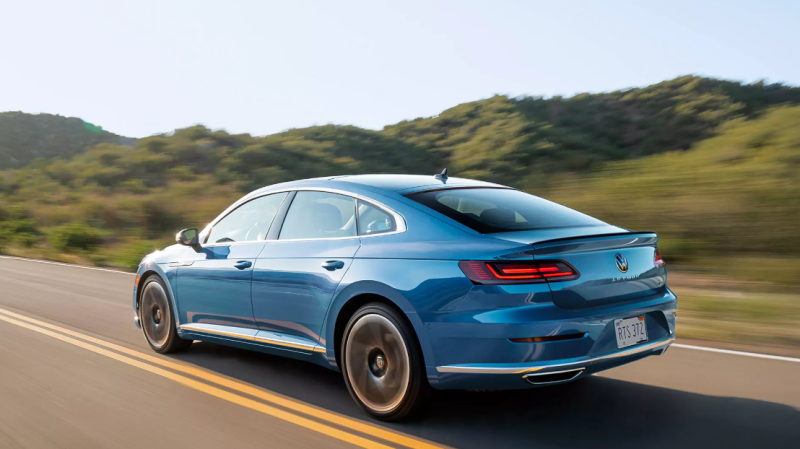
2023 arteon oem website

5 Standout Features of the 2023 VW Arteon

A sophisticated, well-equipped family sedan, the 2023 VW Arteon is an impressive car that brings the latest European styling to America. Check out these features that set the classic fast-back styled Arteon apart from the competition and make it the best mid-sized sedan on the market. 5 Standout Features of the 2023 VW Arteon 1. Performance The 2023 Arteon comes with a 2.0 liter turbocharged 4-cylinder engine that produces 300 horsepower and 295 ft of torque. The engine is paired with a 7-speed DSG automatic transmission that will give you the ideal amount of torque and power right when you need it. This powerful and smooth engine and transmission pair allow the Arteon to go from 0 to 60 in just 4.6 seconds and do a full quarter mile in only 13.3 seconds, all while getting 25 miles to the gallon in the city and 33 on the freeway. 2. Safety VW takes safety seriously and has equipped the Arteon with all the latest safety features, which is why it was awarded the 2022 Top Safety Pick+ from IIHS. The car is designed around a safety cage with special crumple zones to keep you safe no matter the accident. The Arteon also has an Intelligent Crash Response System and an Automatic Post Crash Braking system that will help you in the event of an emergency. The systems will ensure your vehicle comes to a complete stop, shuts off the engine, and unlocks all doors for a safe exit. 3. Technology The Arteon is a premium sedan, and it comes with some of the best technology in its class. It has a premium sound system from the famed speaker company Harman Kardon that connects wirelessly to both Apple and Android smartphones. The Arteon has a digital cockpit with easy-to-read, high-definition instruments and a center screen easy-to-follow navigation system. It also has an 8'' multifunctional touchscreen display and voice control platform that can help you easily control the audio, climate control, and navigation systems. 4. Driving Assistance The Arteon has VW's latest IQ.Drive driving assistance system that helps you arrive at your destination safely and stress-free. It has an area view sensor package that allows for real-time lane assist, parking assist, and active blind spot monitoring. All models also come with adaptive cruise control and a rear traffic alert for added safety on the freeway. The platform can also display road signs to help you prepare for changing road conditions and have better visibility in low-light situations. 5. Warranty All new Volkswagen vehicles come with VW's Carefree Coverage warranty package standard. This covers scheduled maintenance for the first two years or 20,000 miles and three years or 36,000 miles of roadside assistance. Carefree Coverage also includes a four-year or 50,000 limited vehicle warranty and five years of free remote features using the myVW app. The 2023 Arteon is a stylish, powerful fastback that blows away the competition. Visit Crain Volkswagen of Fayetteville today to learn more about this exceptional mid-sized family sedan.
2023 vw atlas vw website Screenshot 2022-12-13 165816

Get to Know the 2023 VW Atlas

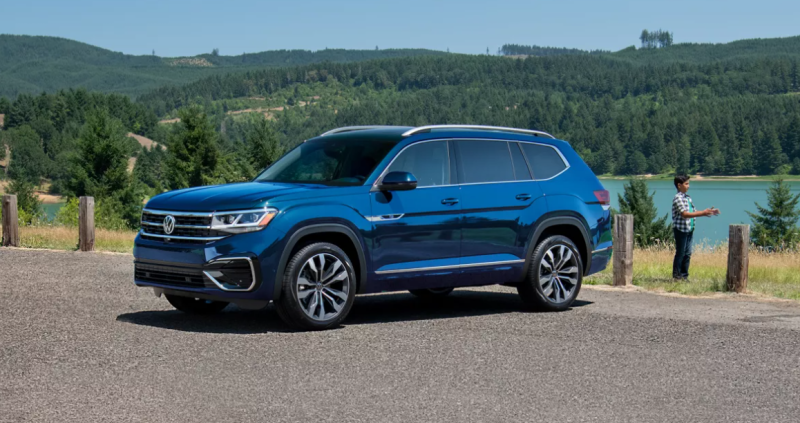
Drivers who are searching for a super functional and good-looking SUV with plenty of room will want to check out the 2023 VW Atlas. You truly can't go wrong when you purchase this car. Wondering what exactly it can offer you? This is everything that you need to know. Get to Know the 2023 VW Atlas What You Need to Know This spacious and good-looking SUV is seriously built to impress. With a super powerful engine setup along with good looks, the Atlas is a car that stands out like no other. Plus, with three rows all of which can comfortably fit adults, you'll love how easy it is to head out on adventures—and take all your friends with you too. What's New This Year? You can expect a couple of changes to the Atlas this year, including fewer trim levels. The SE starts off the lineup this year. Any trim level above this one now gets a larger digital instrument cluster. Trim Levels There are five trim levels available for the Atlas this year. The base level is the SE, with the S now no longer available. If you're looking for some additional features, then you'll want to take a look at the SE with Technology. Drivers who prefer a mid-range option will quickly fall in love with everything the SEL can offer. But if that's not enough for you, then you can consider the SEL R-Line Black or the highest trim level, the SEL Premium R-Line. Performance With two different engine options available, it shouldn't be hard to find the perfect setup for you. The base engine is a four-cylinder powertrain making an already impressive 235 horsepower. For even more muscle, take a look at the available V-6 that makes 276 horsepower. Both of these engines come with an eight-speed automatic transmission. You also have the option of going with either front-wheel or all-wheel drive. You'll love how responsive this vehicle is, as well as how easily the suspension soaks up bumps in the road. Interior Inside the 2023 Atlas, you'll find a shocking amount of space. Whether you're heading to soccer practice with the kids or you're going on a road trip with friends, there will be plenty of room to take everything and everyone you need. You'll also appreciate the vehicle's infotainment system which is super easy to use and can connect quickly to your phone with either Apple CarPlay or Android Auto. If you've been looking for a super spacious and high-quality SUV, you're going to love the 2023 Atlas. If you're thinking of buying this car, it's important to visit the right place. We're ready to help you. Visit us today at Crain Volkswagen of Fayetteville.

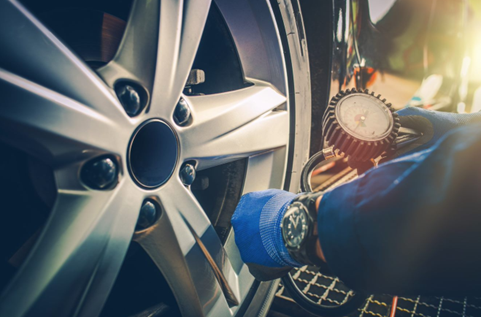
tire pressure

How to Check the Tire Pressure on Your VW

Checking the tire pressure on your Volkswagen is a vital part of routine vehicle maintenance. Not only does it keep you safe on the road, but it also extends the life of your tires. If your VW dealer hasn't shown you how to check tire pressure, or if you're unsure where to start, this quick guide will help. VW Dealer Tips: 6 Easy Steps to Check Tire Pressure Quickly 1. Locate Your Tire Pressure Level The first step is locating your vehicle's tire pressure recommendation level. This information can be found in one of three places: the owner's manual, on a sticker inside the driver's door frame, or on the side of the driver's door. Once you find this information, write down the recommended pressure for each tire. 2. Check the Tire Pressure Next, use a tire pressure gauge tool to check the pressure in each tire. To do this, remove the valve cap from the tire and press the tip of the gauge onto the valve stem. You will be able to tell whether you need to inflate or deflate the tire with the pressure gauge. 3. Inflate Your Vehicles Tires If your tire pressure is below the recommended level, you will need to add air to it. To do this, locate an air pump and insert quarters into it (if necessary). Next, attach the air hose to the valve stem on your tire and hold down on the trigger until you hear air flowing into the tire. Stop adding air when you reach the recommended level. 4. Deflate Your Vehicles Tires If your tire pressure is above the recommended level, you must release some air from the tire to reduce the pressure. This method doesn't require an air pump, but a tire pressure gauge is still necessary. After removing the valve cap, press the gauge's tip onto the valve stem. Then, press down on the trigger to release air from the tire until the pressure reaches the recommended level. 5. Replace Valve Cap After you have added or released air from your tires as needed, replace the valve caps. This will help prevent dirt and debris from getting into the valve stems, which could cause problems with maintaining proper tire pressure in the future. 6. Repeat Process Monthly It's essential to check your tires monthly to ensure that they are correctly inflated. With just a few minutes of effort, this will help extend your tire's life and save you money on fuel. Plus, it is always better to be safe than sorry! Tire pressure checks aren't difficult, but they can become tedious over time. Let a professional do the heavy lifting if you find it a hassle. Bring your Volkswagen to Crain Volkswagen of Fayetteville for fast and efficient tire servicing. We'll keep your car in tip-top shape from top to bottom!

599bfc07-d454-4acb-a39f-1cfb4b839184

4 Signs You May Need to Replace One of Your Car's Engine Belts

No one wants to break down due to a faulty car belt, especially in a rural area where cell phone reception is weak or non-existent. While a comparatively quick and inexpensive fix, not counting lost time on the job, ruined vacation plans, or the added cost if you face a long tow back to your VW dealer, the problem is entirely avoidable. A worn belt is among the easiest problems to spot early before it becomes a major issue. 4 Signs You May Need to Have Your VW Dealer Replace One of Your Car's Engine Belts 1. One or More Systems Stop Working Most contemporary vehicles run on a single serpentine belt that connects the engine to all systems, from the starter to the drive train, radiator fan, alternator, and heat or air conditioning. If the belt is loose, one of these systems may not be operating. While a serpentine belt is more efficient than multiple belts, it won't be long before the car becomes immobile if you don't address the issue quickly. In a vehicle with multiple belts, the car may continue running, depending on which belt is stretched or broken, but ignoring the problem can lead to more serious failures. Even if the car starts and runs, check your belts if a system ceases to function. 2. High-Pitched Screeching Noise Emanating From Under the Hood If your engine is screaming like an infant begging to be fed, especially when you start the car or accelerate, that's a good indication your belt is about to fail. Don't invite trouble by ignoring the sound (or the alarming looks from pedestrians and fellow drivers). As soon as possible, visit your local VW Service Department so that a qualified professional can remedy the problem. 3. Car Belt Appears Damaged Don't wait for your vehicle to make frightening noises or act sluggish. Inspect your belts regularly. New belts are smooth with a flat, black finish on one side and a regularly patterned grip on the other. If any portion of the belt appears frayed, cracked, or glazed, you should be concerned. Have it checked by a professional at the earliest opportunity. 4. Engine Overheats, Stalls, and/or Exhaust Fumes Turn Black When certain systems aren't responding due to a damaged belt, it can cause cooling or friction issues that cause the engine to seize up or parts to grind together. Always be aware of the indicators on your dashboard. If the oil or radiator gauges are nearing their respective red lines or the check engine light comes on, the cause could be a faulty belt. It always pays to monitor your vehicle's performance. Listen to the engine and check under the hood regularly. Your car will let you know when it needs attention. Stay ahead of the problem and have it serviced regularly at Crain VW of Fayetteville.

93a02aa6-5492-4788-be36-c312c650d8db

3 Reasons Your VW Car Engine May Be Overheating

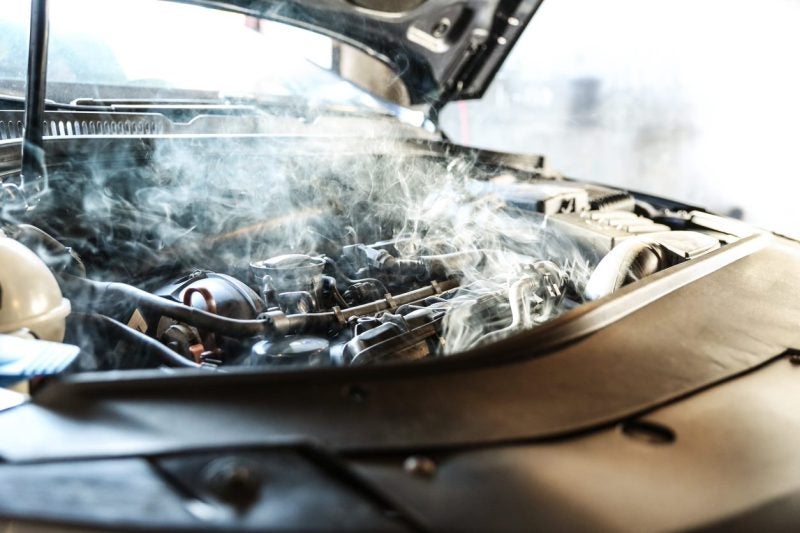
When you think of an overheating engine, you get visions of steam pouring out from under the hood. This is an extreme example, but it's something that can happen if overheating problems are ignored. If you have a car overheating, your trusted VW dealer can fix the problem. These are examples of issues that can lead to overheating. Car Overheating? Three Reasons to See Your VW Dealer Today Broken Water Pump Liquid coolant is used to control your engine temperature. Your VW engine produces heat, and heat can damage your engine if it's not removed. Coolant collects heat as it moves through your engine. The cooling system operates at high speed, as it needs to match your engine's heat production. The water pump is the component responsible for pumping coolant through your engine. The pump starts as soon as coolant is released and switches off when the engine temperature drops below its pre-set point. A broken water pump will prevent coolant from moving through your engine, and the temperature will rapidly rise. We can replace the broken pump, and the coolant will flow again. Leaking Coolant A coolant leak is one of the most serious issues your cooling system can face. As we saw above, the cooling system depends on the constant flow of high-pressure coolant through your engine. Over time, material fatigue and damage can take their toll on the system. Parts like the radiator hoses can become less flexible and crack, radiator seals can shrink, and hose clamps can loosen. Coolant can leak from many places, but it's easy to distinguish from other car fluids. Coolant is always in bright colors like pink, yellow, green, and blue. If you see a pool of liquid in any of these colors, you have a coolant leak. Our technicians will thoroughly examine your cooling system and find the source of the leak. We'll fix the leak, and your engine temperature will return to normal. Damaged Thermostat The thermostat is a small valve that controls the flow of coolant in your engine. When your engine reaches a pre-set temperature, usually between 185F and 210F, the thermostat opens and releases coolant. Once your engine temperature drops below the pre-set point, the coolant is withdrawn, and the valve will close. The valve can fail and jam in one position. A thermostat that's jammed open will continually supply coolant. This lowers the engine's temperate and makes it less efficient. A thermostat that's jammed closed won't release coolant, and this will cause your engine to overheat. We'll remove the thermostat and replace it with a new one to fix the problem. Fortunately, there are always numerous signs your engine is running too hot. Call us at Crain Volkswagen of Fayetteville, and we'll fix the problem.

1c0f5f3a-3a8d-45db-b9d4-4a1e6a03b627

Does Your VW Need a New Catalytic Converter?

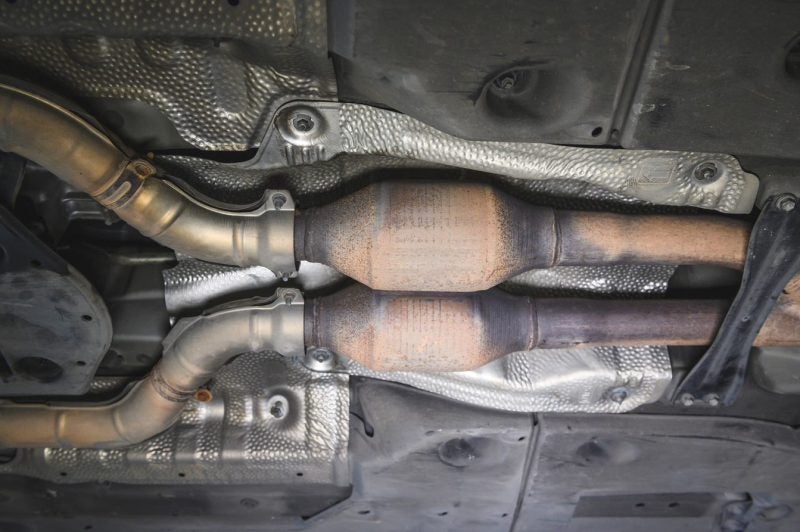
Responsible for breaking down your car's harmful emissions into neutral compounds, your catalytic converter is essential to the environment. However, it's also critical for the smooth running of your car, as a malfunction can affect the intake of air into the engine, and the efficient use of fuel. Read on for some of the signs that you need to ask your VW dealer about a converter replacement. Do You Need to Contact Your VW Dealer About a New Catalytic Converter? Previous Problems Converters can last for over ten years, but they can also become clogged and damaged. There are a number of engine faults that can have a knock-on effect on the exhaust system, such as misfiring spark plugs, faulty valves that lead to engine oil or coolant leaks, or a sharp blow to the underside of the vehicle. If you know that your car has suffered from any of these problems recently, it's sensible to get the converter checked out. Rattling Sounds The converter, or "cat" as it can be known, is covered in tiny pores, rather like a honeycomb. These are coated in platinum, palladium, and other precious metals that are used in the catalysing process. However, if it is damaged, pieces can break off and infiltrate the exhaust system. This may lead to a rattling sound underneath the car. Bad Smells One of the chemicals in fuel that should be catalysed by the converter is hydrogen sulfide. This is usually broken down into sulfur dioxide, which has no odor. However, if the cat is clogged or malfunctioning, unburnt fuel might enter the exhaust system and this can produce an unpleasant sulfuric scent, similar to rotten eggs. A malfunctioning converter might also cause a smell of burning or thick black smoke from the exhaust. Not only will this make the drive less pleasant, but it's also a sign that your exhaust system needs a diagnostic check. Less Fuel Economy A damaged or clogged cat won't allow your engine to burn gas as efficiently and will let unburnt fuel into the exhaust system. If you find that your car is costing you more at the fuel pump, your converter could be the culprit. Reduced Power If the cat becomes clogged, it disrupts the air flow into the cylinders and unbalances the fuel-air mix. This will result in less power, especially noticeable when you accelerate or drive at speed. If there's a sluggish response from the engine, schedule an appointment as soon as you can. Without a fully functioning cat, your car won't perform as well, and it could lead to more expensive problems further down the line. While a replacement could be the only solution, it could be fixed by flushing the exhaust system or other repairs. Either way, though, it's important to act promptly, so schedule an appointment at Crain Volkswagen of Fayetteville and let our certified technicians guide you about the right course of action.

oil-3979023_960_720

5 Car Maintenance Tips to Keep Your VW in Great Shape for Years

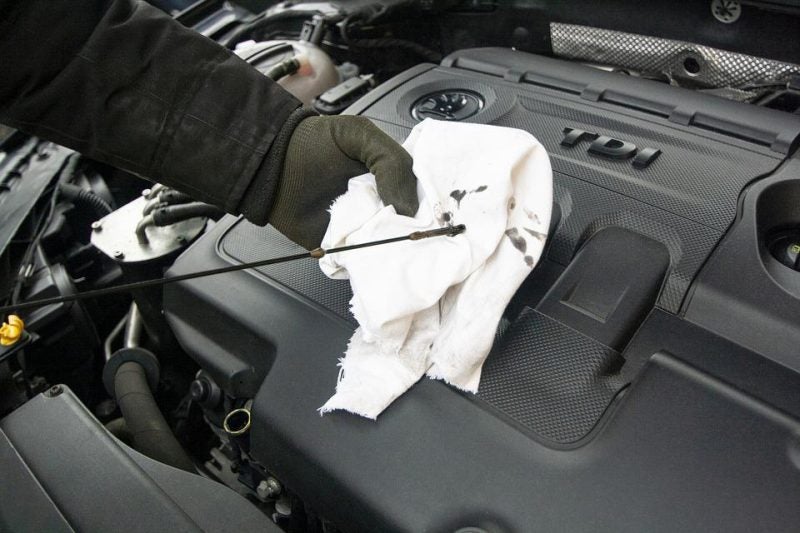
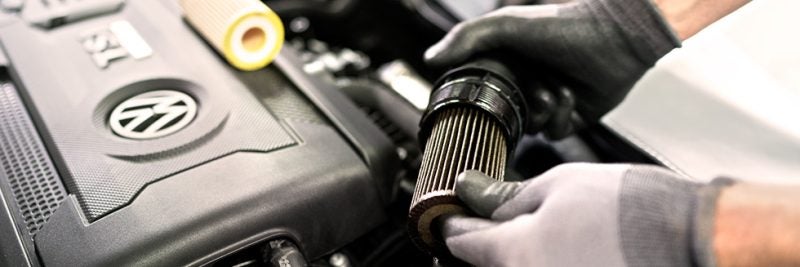
Keeping your VW in great running shape is a top priority for most drivers. Thankfully, there are some simple, but essential, things that you can do to help keep your car happy and healthy for many years to come! We've assembled this quick list of our top 5 car maintenance tips for drivers looking to stay ahead of the curve and keep their VW running smoothly. Advice From a VW Dealer: 5 Car Maintenance Tips To Keep Your VW in Great Shape for Years 1. Check and Change Your Fluids There are a number of vital fluids that keep your vehicle's internal systems working regularly and safely, including brake, transmission, and power steering fluid. It's important to get these checked regularly (about every 5,000 miles or so) to ensure they're fresh and working as necessary. Getting these checked at your local dealership means they can also replace them for you if the mechanic notices it's time for new fluids in your VW! 2. Change the Oil Regularly You've probably heard it said that engine oil is the lifeblood of your vehicle, and it's true! Regularly checking your oil and keeping up to date with your scheduled oil changes is an essential step in keeping your car in great working condition for the years to come. Your VW dealer will be able to let you know how frequently you should be changing your oil to ensure your engine keeps running smoothly. 3. Replace Your Engine Air Filter Your vehicle's engine air filter is an essential component that keeps dirt, debris, and other unwanted materials out of your vehicle's engine, so it's important to make sure it's clean and functioning well. If your engine air filter wears out and stops working as intended, it can allow particles and debris into your engine that can cause serious damage to your vehicle's internal systems. Stay ahead of that problem and replace your engine air filter when it starts to wear out! 4. Keep Your Car Clean Your car keeps you dry and clean in all kinds of weather and road conditions, and it's important that you do the same for it, too! While a little dirt on your car isn't inherently a big deal, a build-up of dirt and grime can start to wear out parts of your vehicle's body and undercarriage over time. Depending on the climate you drive in, winter road salt may also be a damaging element building up on your car. A quick, regular cleaning will help limit this and keep your car in great shape. 5. Get an Annual Inspection In general, probably the best thing you can do for your VW's long-term health is get it looked at by professionals on a regular basis! Most people recommend an annual inspection to ensure your vehicle is safe and that there are no components that are wearing out and creating a risk of more serious damage to other parts of the car. Whether it's an oil change, an inspection, or anything else your VW needs, we've got you covered! Come on down and visit us at Crain Volkswagen of Fayetteville today for the maintenance your vehicle needs to keep it running safely and smoothly for years.

service_hero_980x327

3 Engine Problems You Should Always Get Fixed at Your VW Dealer

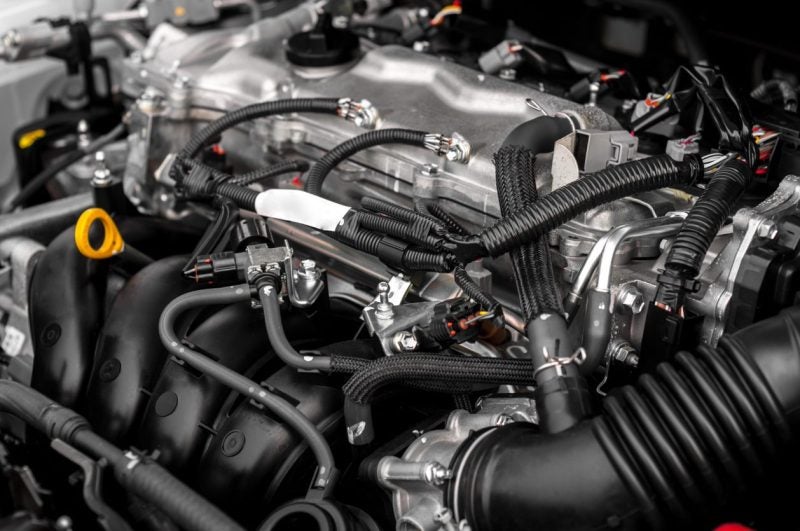
Your VW engine is designed to work effectively and efficiently, but even the best engineering can develop problems over time. Parts can wear or break, and if they do, your VW will develop engine problems. If you're in the area of Fayetteville, AR, your VW dealer can help you. We have the technicians and technology to fix any problem with your engine. These are a few of the problems we can fix. 3 Engine Problems You Should Always Get Fixed at Your VW Dealer Damaged Sensors Since the 1980s, sensors have been attached to all cars. These sensors connect to your car's computer and continually send information from their attached component to the computer. Your VW's computer uses this information to make its decisions. This can become a problem if a sensor is damaged. Damaged sensors will either send no information or send incorrect information to your computer. The oxygen sensor, for example, has a crucial function. It measures the amount of unburnt oxygen in exhaust gases. The correct ratio of air to fuel is 14:1, and your computer uses the information from the oxygen sensor to adjust the air-fuel mix. If this sensor malfunctions, you may use more fuel, or your engine performance will drop. Timing Chain Problems Older engines used a timing belt, but your modern VW engine uses a timing chain. The timing chain synchronizes the movement of the camshaft and the crankshaft. By synchronizing the movement of these two components, the valves and pistons will operate just as they are designed to. Timing chains are very robust, but over time you'll see and hear signs that your chain is failing. In time, the chain will stretch slightly, which will cause issues like poor compression and backfiring. If you experience either of these signs, our technicians will check the chain for you. If it's worn or damaged, we can replace it for you. Damaged Alternator The alternator is a mini generator that produces all of your VW's electrical power. The alternator produces power, from the time your engine starts till you shut down your engine. Alternators have a long lifespan, and eight years is an average life for an alternate. As an alternator gets older, it will start to produce less power. As electrical power production drops, your car's electrical systems will start to suffer. Reduced power means your VW's computer will have to decide how to apportion the limited power available. You'll notice electrical glitches, dim headlights, and other signs of reduced power. We can check your alternator, and replace it if it's wearing out. If you experience problems with your engine, call us ASAP at Crain Volkswagen of Fayetteville. Our Volkswagen-trained technicians can fix any problem for you.

vw servie

7 Signs Your Volkswagen Should Get an Engine Diagnostic

If you suspect the engine in your Volkswagen Golf, Jetta, Taos, or Passat is not running at its best and you can't figure out what's causing the problem, an engine diagnostic test from the qualified technicians at your VW dealer will give you all the answers. The test will pinpoint issues accurately, and the technician will perform expert repairs. 7 Signs Your Volkswagen Should Get an Engine Diagnostic at Your VW Dealer 1. The Check Engine Light Is On We know you've heard all about the check engine light before, but it's crucial never to ignore it when you notice the light is on. The light warns you when there is a problem with the engine, and the faster you get it checked out, the less damage will be caused. When the check engine light is on, bring your car to us. A qualified Volkswagen technician will perform a diagnostic test to accurately determine why the check engine light was triggered and perform the required repairs to prevent further damage. 2. Your Car Guzzles Gas With today's sky-high fuel prices, the last thing you need is for your car to guzzle gas. When you suddenly have to fill up more than usual, even if you don't put more miles on the clock, there's a problem that needs urgent attention. Many issues will cause your car to burn more gas and to find out what is causing it, bring your vehicle to us for a diagnostic test so that one of our skilled technicians can sort out your gas woes once and for all. 3. Your Car Is Slow and Lazy A long list of vehicle problems will cause your car to feel slow and lazy when you step on the accelerator. It could be a faulty fuel pump, a clogged air filter, a bad air filter, a sensor problem, or a load of other issues. A diagnostic test will quickly determine the cause of your car's loss of power. 4. Your Car Idles Roughly When the engine is not purring and idles roughly, many problems could be the cause. It could be dirty fuel injectors, clogged air filters, exhaust system problems, faulty fuel pumps, and bad spark plugs. Get rid of the guesswork with a diagnostic test. 5. You Hear Strange Noises When there is a problem with your car's engine, you will hear all sorts of strange noises. Worn, damaged, and broken parts can make terrible sounds under the hood. We will quickly find out the cause with a diagnostic test and fix the issue to avoid further damage. 6. You Smell Bad Odors Fumes inside your car are dangerous and unhealthy. When you get a whiff of something terrible, such as gas or exhaust fumes, especially inside the cabin, it's a warning that there is a problem. Bring your car to us ASAP for a diagnostic test. 7. You See Smoke From Under the Hood or Tailpipe Something is getting too hot when you see smoke pouring out from under the hood or the tailpipe. Smoke is always a reason for concern and must be checked out as soon as possible. Bring your Volkswagen to us for a diagnostic test, and we will quickly find the problem. When it comes to car troubles, make your life easy by getting rid of the guesswork with a diagnostic test. Drop by Crain Volkswagen of Fayetteville today for a diagnostic test performed by highly skilled Volkswagen technicians, and we will take care of your engine problems fast.

safety

7 Car Safety Features You'll Find in Today's Volkswagens

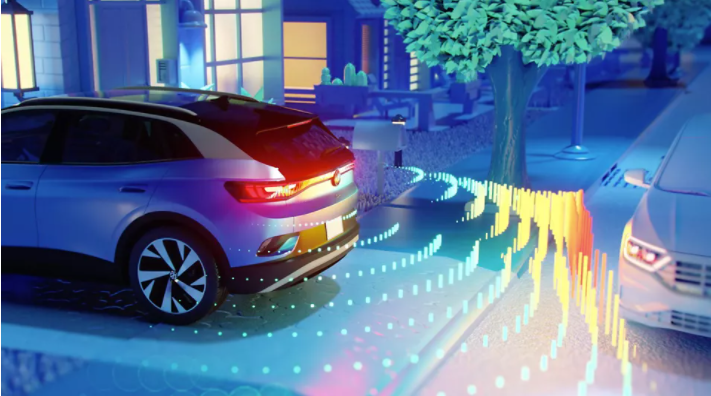
Volkswagen vehicles consistently earn a 5-star safety rating with the Highway Traffic Safety Administration. If you're leaving the lot of your VW dealer with a new or used vehicle, you can rest assured that you're in a very safe car. The German car manufacturer uses cutting-edge, computerized equipment to keep you out of harm's way. Let's take a look at seven of the best car safety features you'll find in your Volkswagen. 7 Car Safety Features You'll Find in Today's Volkswagens Brake Assist There are times when you need to stop fast. If you ever slam on the brakes, your Volkswagen detects the urgency and helps you by boosting brake pressure all the way to maximum, ensuring that you stop. Front Assist The sensors and onboard computer in your Volkswagen have much quicker reflexes than any human driver could possibly have. Front Assist uses cameras and radars to constantly monitor all activity ahead of you. It identifies hazards and warns you of a potential crash. This includes pedestrians suddenly moving in front of your car. Autonomous Emergency Braking If you fail to notice or react to a Front Assist warning, then you might not brake in time. But there's no need to worry. Autonomous Emergency Braking will stop the car for you. Blind Spot Monitor One misfortune that has plagued drivers since the very first automobile is the blind spot. To your vehicle's rear on both sides, there's a small area that your mirrors can't cover. While navigating treacherous traffic, other cars or motorcyclists can sometimes enter these blind spots unnoticed. Volkswagen negates this problem by constantly scanning these areas, alerting you when a vehicle comes into them. Rear Traffic Alert Another moment of danger for all drivers is when you're backing out of a parking space and you can't see oncoming cars. Volkswagen's Rear Traffic Alert uses two radar sensors to monitor approaching traffic. It alerts you if a vehicle or pedestrian is detected, and brings your car to an emergency stop if you don't respond quickly enough. Rearview Camera Parallel parking gets a whole lot easier in a modern Volkswagen. You have a rearview camera located at the rear of your car, right inside the VW logo. At any time, you can flip up your logo to use the camera concealed beneath. This displays a clear rearview image onto your dashboard, for easy, safe reversing. Intelligent Crash Response If the worst comes to the worst, and you're ever in an accident, Intelligent Crash Response offers optimal safety and protection for you and your passengers. At the moment of collision, advanced airbags and safety belt tensioners are instantly deployed. The doors are unlocked and the internal lights are turned on, allowing you to exit easily and quickly, should you need to. The fuel pump and all high-voltage electronics are also turned off, minimizing the risk of a fire. And your car even contacts first responders, speeding up how quickly they arrive at the scene of the crash. Ask at Your Local VW Dealer Many excellent safety features come as standard in every Volkswagen. A few of the most advanced features are optional and depend on the individual driver's preferences. It's best to talk to someone at your local dealership to work out what's right for you. If you'd like an in-depth demonstration of all the VW's safety features, visit Crain Volkswagen of Fayetteville. We're the region's number one Volkswagen dealership, and we're committed to providing exceptional service to everyone who walks through our doors.

Contact Us

Fill out this form below and we'll contact you shortly
*Required Fields